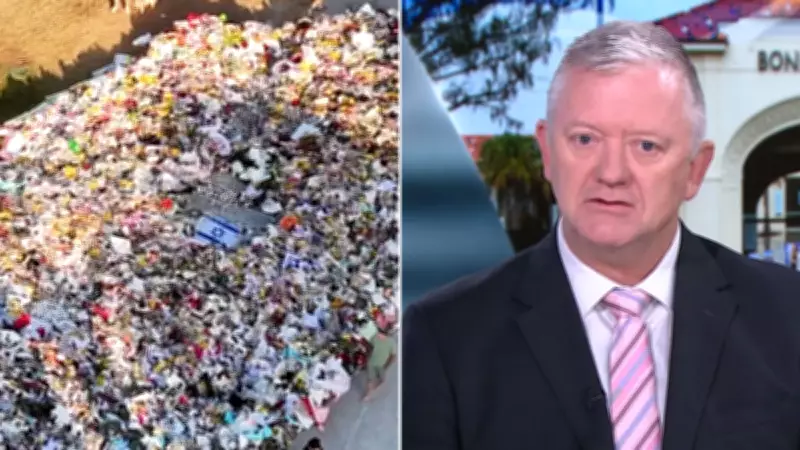
Australia's counter-terror operations are facing renewed scrutiny as the second major hearings of the Bondi Royal Commission begin. The Australian Federal Police (AFP) and the Australian Security Intelligence Organisation (ASIO) are under growing pressure over alleged counter-terrorism mistakes, including claims that critical intelligence about the gunman's overseas travel to terror hotspots was not shared with key agencies before the attack.
Intelligence-Sharing Failures Under Investigation
Investigators are set to examine whether intelligence-sharing failures between agencies contributed to the massacre that left 15 people dead on a Sydney beach. According to reports in the Daily Telegraph, the AFP and Border Force allegedly knew that one of the gunmen had travelled not only to the Philippines but also to Uzbekistan, which is considered a gateway into Afghanistan. However, that intelligence was reportedly not shared with ASIO or NSW Police.
Former NSW Police detective and counter-terror investigator Peter Maroney said the revelations raised serious concerns about information sharing between agencies. He stated that the families of the 15 victims deserve answers about how such a catastrophic intelligence failure could occur.

“Fifteen people have been killed, slaughtered on a beach, clearly there’s a failing somewhere. Now we’ve got to understand why those people and those families deserve to know why,” Maroney said.
He added, “From an investigative viewpoint, knowing the travel patterns and particularly knowing if they’re going into key areas would help me, for example, then formulate other views and put into place other strategies to get ahead of them so we can see what they’re up to.”
Long-Standing Counter-Terror Structures Questioned
Maroney said the alleged breakdown was particularly alarming given the long-standing counter-terrorism structures already operating across Australia. “Joint counter-terrorism teams have been in place in every state and territory since 2002-2003,” he noted. “The arrangements have been in place for 20 years. The question is now to work out why did it fail.”
When asked whether the intelligence could have prevented the massacre, Maroney said it was impossible to know for certain but argued the information should have triggered greater scrutiny of the suspects. “On the surface, you’d probably say no. But knowing that they’re going to those type of hotspots, then trying to understand why they’re not there for leisurely travel, what that will do then is inform the investigating unit to look at or heighten their risk or their risk management around those individuals,” he explained.
Ongoing Reviews and Royal Commission Hearings
NSW Police launched an internal review shortly after the Bondi attack to examine the identified issues and intelligence-sharing processes. The Royal Commission hearings are expected to reveal further details about the alleged failures, though some evidence may remain restricted due to the pending criminal trial of the remaining shooter.