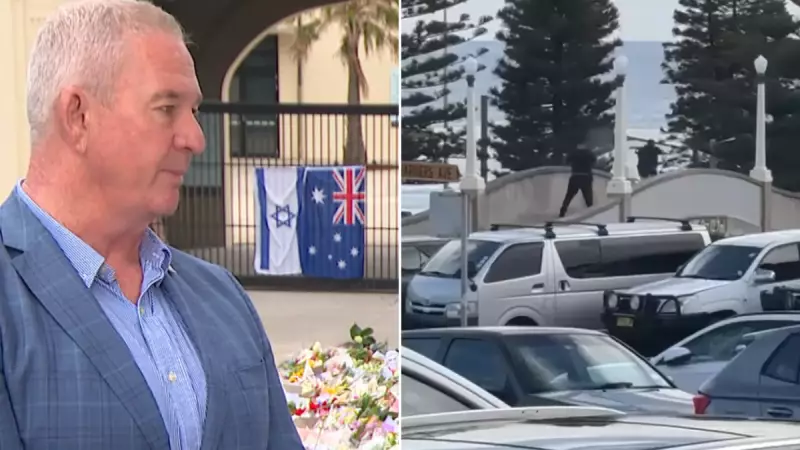
In the devastating aftermath of the Bondi Beach terror attack, Australia's stringent firearm regulations are facing unprecedented public and expert examination. The central, haunting question is how the alleged perpetrators were able to legally access the weapons used in the horrific assault.
The Attack and the Alleged Perpetrators
Police allege that on Sunday night, Sajid Akram, 50, and his son, Naveed Akram, 24, used long rifles to fire upon innocent crowds from a footbridge at Bondi Beach. The attack claimed 15 lives, including two rabbis, a 10-year-old girl, and a Holocaust survivor. The incident has sent shockwaves through the nation and ignited a fierce debate on firearm control.
Legal Ownership Under the Spotlight
Investigations have revealed that Sajid Akram held a valid firearms licence since 2015. He was a member of the Bonnyrigg gun club and the Zastava Hunting Association. Crucially, he legally owned six firearms. His son, Naveed, was reportedly known to security agencies prior to the attack, a detail that has amplified concerns about existing safeguards.

Former NSW Police Detective Superintendent Robert Critchlow expressed deep unease about this situation in an interview with Sunrise. "I'm on record saying I don't like guns, the less the better," Critchlow stated. He argued forcefully that if someone in an immediate family is considered a risk, firearms should not be permitted in that household.
Systemic Gaps and Calls for Focus
While acknowledging reasons like animal control for owning multiple firearms, Critchlow questioned why a resident of suburban Sydney would need such access. "I can't see any defence for that at all," he said. He outlined existing procedures like annual storage checks and domestic violence screenings but pointed out a critical flaw: individuals who "tick along in the background" with malign intent can easily evade detection because they outwardly comply with the law.
Despite growing calls for accountability across various agencies, Critchlow urged the public to remember where the ultimate responsibility lies. "Two guys formed an evil intent and came here and did wickedness. So we've got to keep the blame on the bad people that did the bad things," he concluded. The tragedy at Bondi has undeniably forced a painful but necessary national conversation about the balance between legal gun ownership and community safety.