Albanese's Caucus Unity Comes at a Significant Cost, Grattan Analysis Reveals
Prime Minister Anthony Albanese has consistently championed unity and discipline as the cornerstone of his government's approach, delivering regular lectures to reinforce these values among Labor Caucus members. However, this unwavering focus on cohesion comes with substantial political trade-offs, according to a detailed analysis by political commentator Michelle Grattan.
The Price of Political Harmony
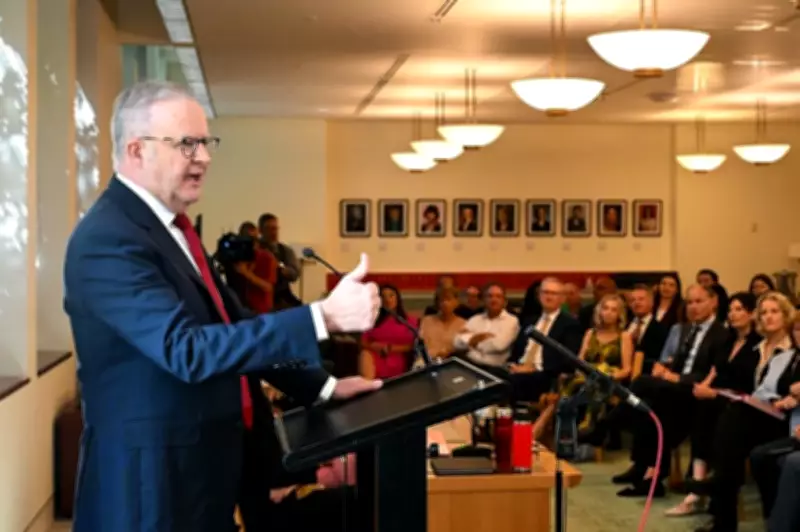
In February 2026, Albanese addressed the Labor Caucus at Parliament House, a meeting that underscored his commitment to maintaining a unified front. While this strategy has helped avoid public infighting and project a stable image, Grattan argues it has stifled internal debate and limited policy innovation. The emphasis on discipline, she notes, may be preventing the government from addressing complex issues with the nuanced responses they require.
Balancing Unity with Democratic Discourse
The Albanese government's watchwords of unity and discipline have been effective in minimizing leaks and dissent, but Grattan suggests this comes at the cost of democratic discourse within the party. By prioritizing harmony, the caucus risks becoming an echo chamber, where alternative viewpoints are suppressed. This could undermine the government's ability to adapt to changing political landscapes and public sentiment.

Grattan's analysis highlights that while Albanese's leadership has fostered a cohesive team, it has also created an environment where critical feedback is often sidelined. This dynamic, she warns, might lead to policy missteps or missed opportunities for reform, as dissenting voices are discouraged from speaking out.
Long-Term Implications for Labor
The long-term implications of this approach are significant. On one hand, a united caucus can present a strong, consistent message to voters, enhancing electoral prospects. On the other, the lack of robust internal debate could erode the party's intellectual vitality and responsiveness. Grattan points out that this tension between unity and diversity of thought is a classic challenge in politics, but Albanese's heavy emphasis on the former may be tipping the balance too far.
As the government moves forward, the cost of this unity will be closely watched. Will it lead to a more effective administration, or will it result in stagnation and missed chances for meaningful change? Grattan's insights suggest that Albanese's strategy, while politically savvy in the short term, carries risks that could impact Labor's future governance and policy success.