Prime Minister Anthony Albanese Faces Abuse After Paying Respects to Islam
In a recent political development, Prime Minister Anthony Albanese has encountered significant backlash and abuse rather than praise following his actions to pay respects to Islam. This incident has ignited a heated debate across Australia, highlighting the complex intersections of politics, religion, and public discourse in the federal arena.
Details of the Controversial Event
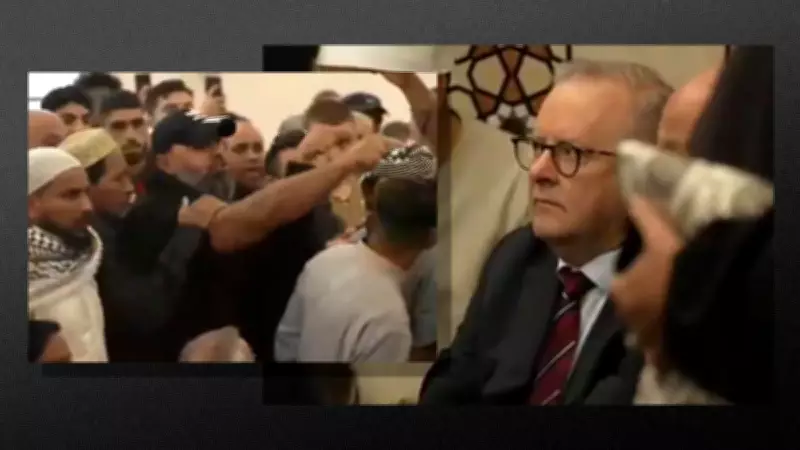
The controversy unfolded when Albanese, as part of his official duties, made gestures or statements intended to show respect towards Islamic communities or traditions. According to reports, instead of receiving commendation for promoting inclusivity and religious tolerance, the Prime Minister was met with a wave of criticism and abusive comments from various quarters. This reaction underscores the polarized nature of contemporary political discussions in Australia, where efforts to acknowledge diverse cultural and religious identities can sometimes provoke strong opposition.
Analysis of the Political and Social Implications
This episode raises important questions about the state of political discourse in the country. On one hand, Albanese's actions can be seen as an attempt to foster unity and respect among Australia's multicultural population, which includes a significant Muslim community. On the other hand, the backlash reflects deeper societal tensions and disagreements over how religion should be addressed in public life. Experts suggest that such incidents may influence voter perceptions and impact the government's agenda on social cohesion and diversity policies.

Key points from the debate include:
- The role of political leaders in promoting religious tolerance and inclusivity.
- The challenges of navigating sensitive cultural issues in a diverse society.
- The potential consequences of public backlash on policy-making and community relations.
Reactions from Various Stakeholders
Responses to Albanese's actions have been mixed. Supporters argue that his gesture was a necessary step towards building a more inclusive Australia, aligning with broader values of respect and harmony. Critics, however, have voiced concerns, with some accusing the Prime Minister of overstepping or politicizing religious matters. This division is evident in social media discussions and public commentary, where emotions run high and opinions are sharply divided.
Observers note that similar incidents in the past have sparked debates on freedom of speech, religious freedom, and the boundaries of political expression. The current situation may prompt further discussions on how to balance these competing interests in a democratic society.
Broader Context and Future Outlook
Looking ahead, this controversy could have lasting effects on Albanese's leadership and the federal political landscape. It may influence upcoming elections, shape party strategies, and affect international perceptions of Australia's commitment to multiculturalism. As the nation grapples with these issues, the need for constructive dialogue and mutual understanding becomes increasingly apparent.
In summary, Anthony Albanese's experience of receiving abuse instead of praise after paying respects to Islam serves as a poignant reminder of the complexities involved in political leadership and social integration. It highlights the ongoing challenges in fostering a respectful and inclusive public sphere in Australia.