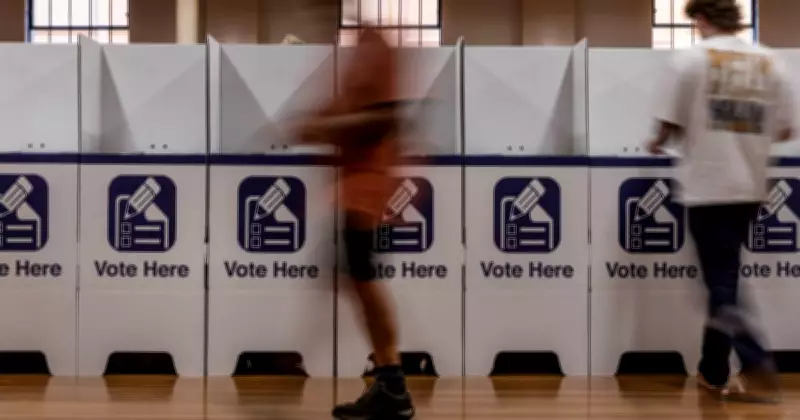
Newcastle By-Election Records 20% Surge in Early Voting Ahead of Polling Day
The Newcastle by-election has experienced a notable 20% increase in early voting, with a substantial portion of the electorate casting their ballots well before the official polling day. This surge highlights a growing trend in voter behavior, as residents take advantage of pre-polling options to participate in the democratic process. The early voting period, which typically allows voters to avoid queues and schedule conflicts, has seen unprecedented engagement this year, suggesting heightened interest in the local political landscape.
Factors Driving the Early Voting Increase
Several factors are contributing to the rise in early voting for the Newcastle by-election. Firstly, increased awareness campaigns by electoral authorities have encouraged voters to utilize early voting centers, emphasizing convenience and accessibility. Additionally, the competitive nature of the by-election, with multiple candidates vying for the seat, has spurred voter mobilization efforts. Political parties have been actively promoting early voting as a strategic move to secure support, leading to a more engaged electorate.
Moreover, changes in voter demographics and lifestyle patterns may play a role, as busy schedules and work commitments make early voting an attractive option. The availability of multiple early voting locations across Newcastle has also made it easier for residents to participate without waiting for election day. This trend aligns with broader national patterns, where early voting has become increasingly popular in recent elections.

Implications for Election Day and Voter Turnout
The 20% surge in early voting could have significant implications for election day dynamics and overall voter turnout in the Newcastle by-election. With a large number of votes already cast, the pressure on polling stations on election day may be reduced, potentially leading to shorter wait times and smoother operations. However, this also means that a substantial portion of the electorate has already made their decision, which could influence last-minute campaigning strategies by candidates.
High early voting numbers often indicate strong voter engagement, which may translate into a robust overall turnout. In past elections, increased early voting has been correlated with higher participation rates, as it removes barriers for those who might otherwise be unable to vote on the designated day. For the Newcastle by-election, this could signal a more representative outcome, reflecting the diverse views of the community.
Community and Political Reactions
Local community members and political analysts have responded positively to the early voting surge, viewing it as a sign of healthy democratic participation. Voters have expressed appreciation for the flexibility offered by early voting, noting that it allows them to fulfill their civic duty without disrupting their daily routines. Political candidates have also acknowledged the trend, adjusting their campaign tactics to focus on early voters and ensure their messages reach this key demographic.
Electoral officials have reported smooth operations at early voting centers, with no major issues reported so far. They emphasize that the increase in early voting is a testament to effective public outreach and the importance of making voting accessible to all. As the Newcastle by-election approaches its official polling day, all eyes will be on how this early momentum translates into final results and what it means for future electoral processes in the region.