In the wake of the horrific attacks at Bondi Beach on Sunday, counter-terrorism authorities are urging the Australian public to be vigilant to the subtle warning signs of radicalisation.
Critical Behavioural Changes to Watch For
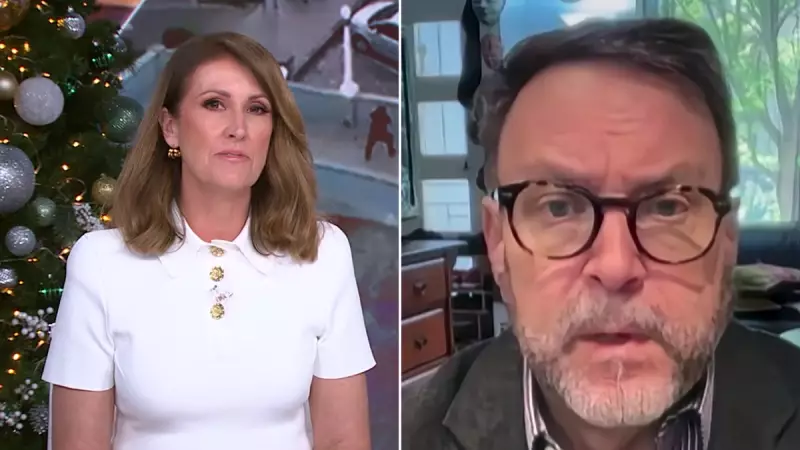
Terrorism expert Professor Greg Barton appeared on Sunrise on Wednesday to detail the indicators that someone may be on a dangerous path. He stressed that while lone actors can be difficult to identify, they often unintentionally reveal their plans.
"They tell family and friends that they’re going to do something. Of course, those statements sound outrageous and incredible, so people often dismiss it as just stupid talk, not real," Barton said.

The crucial lesson, he emphasised, is "if you hear somebody saying something, no matter how crazy it seems, speak up, get help." Taking this step could potentially save their life and the lives of others.
Barton outlined three concurrent behavioural shifts that can signal radicalisation:
- Expressing increasingly extreme views.
- Acting in transgressive ways that are out of character.
- Changing social circles, breaking off from old friends and forming new connections.
"If those three things happen together... then speak up and ask for help," he advised. He acknowledged these can also be signs of "growing pains," but stressed there is no harm in raising a concern if something feels wrong.
Radicalisation as a Social Phenomenon
Professor Barton explained that radicalisation is typically a social process. Individuals are usually influenced by new friendships rather than self-radicalising in isolation. This underscores the importance of noting sudden shifts in a person's peer group.
The warning comes as it emerged one of the accused gunmen allegedly had a past connection to someone involved with ISIS, though he had reportedly dropped off ASIO's radar.
Questions Over Past Investigations
Barton revealed that during a 2019 investigation into an Islamic State terror cell, investigators spoke extensively with now-accused shooter Naveed Akram, who was then just 17 years old.
"They spent months talking to him and to his father," Barton stated. "They couldn’t lay charges. He wasn’t doing anything wrong at the time."
However, the allegation is that Naveed "was actually pretty thickly involved with an extremist group as a teenager." While authorities could not take further action in 2019, Barton raised significant questions about whether adequate follow-up checks were conducted in the subsequent years leading up to the attack.
The expert's analysis serves as a stark reminder for communities to stay connected and alert, reinforcing that preventing terrorism is a shared responsibility.