Former Navy Mine Warfare Operator Details Strait of Hormuz Threat Amid Global Oil Crisis
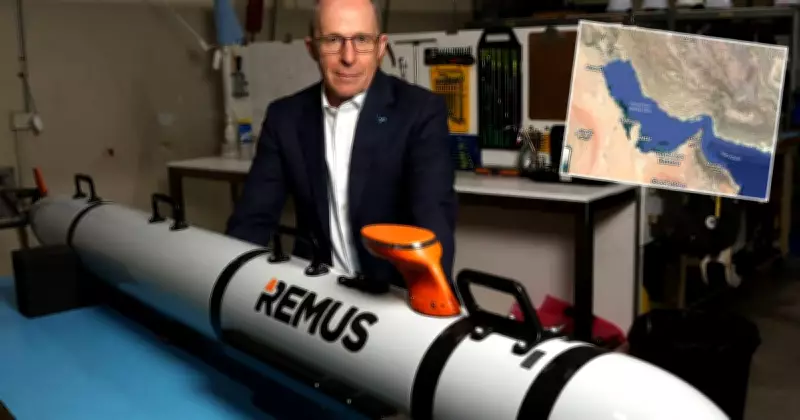
As oil prices surge dramatically, a former British navy mine warfare operator has issued a stark warning about the escalating battle for control of the Strait of Hormuz. Neil Hodges, managing director of the Thornton-based BlueZone Group, asserts that sea mines deployed in this critical waterway will inflict a "massive headache" on the international community.
Historic Supply Disruption and Narrow Shipping Lanes
The narrow Strait of Hormuz, located in the Persian Gulf, has become the epicenter of a global oil crisis following Iran's decision to close the passage during its ongoing conflict with the United States and Israel. This closure has halted approximately 20 per cent of the world's daily oil supply, a situation the International Energy Agency describes as the "largest supply disruption in the history of the global oil market."
Mr. Hodges, who spent 13 years in the British navy specializing in detecting and clearing mines, including about nine months operating in the Strait of Hormuz during the late 1980s Tanker War and early 1990s First Gulf War, emphasizes the vulnerability of oil tankers. The strait's shipping lanes are only three kilometres wide in each direction, making them prime targets for sea mines, drones, and missiles.

Iran's Mine Deployment and Strategic Implications
US officials have confirmed to CBS News that Iran has laid at least 12 underwater mines in the strait, with the US military reporting the destruction of dozens of Iranian minelaying vessels and storage areas. Mr. Hodges warns that if Iran is determined to shut the strait, mine-laying is inevitable. "Some ships are being allowed to go through. If that's the case, they'd be telling them which path to go to keep clear of mines," he explained.
He further notes that Iran could achieve disruption merely by claiming to have laid mines, forcing extensive search operations. "Then you've got to go looking for them," he said, highlighting the psychological and logistical challenges. The bombing of Iran, he argues, would likely prompt the Islamic Republic to seal the strait, disrupting global oil supplies as insurance companies refuse coverage for tankers navigating the hazardous area.
Military Response and Mine-Clearing Challenges
Interestingly, the US and UK had minehunters stationed in the Persian Gulf until recently but withdrew them before the conflict escalated. Mr. Hodges suggests that the US might regain control by deploying marines, but this would require a protracted effort to locate and neutralize sea mines. "If they've laid lots of mines in a big area, it'll take a long time to remove them," he stated, describing mine-clearing as a "very slow and laborious task" due to the invisibility of mines from the surface.
Naval analysts caution that mine-clearing operations cannot safely commence until Iran's shore-based anti-ship missiles and drones are neutralized, as support vessels are highly vulnerable. Mr. Hodges advocates for the use of remote and autonomous vehicles to perform these dangerous tasks, "removing people from the danger area."
Australian Naval Context and Future Technologies
BlueZone Group, which supplies and supports underwater systems in Australia, is at the forefront of this technological shift. Mr. Hodges references the Royal Australian Navy's Huon-class minehunter vessels, built in Carrington from 1994 to 2003, with the fleet now reduced to two vessels. "The Navy is now looking at what the next thing is. Part of their plan is to bring in new technology," he said, predicting that unmanned systems will replace traditional ships in future mine warfare operations.
This crisis underscores the strategic importance of the Strait of Hormuz and the evolving nature of naval conflict, where advanced technology and historical expertise collide in a high-stakes global energy showdown.