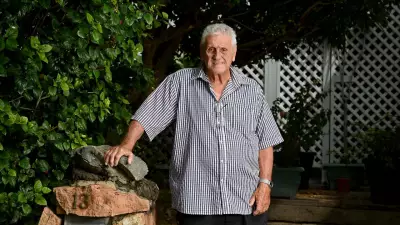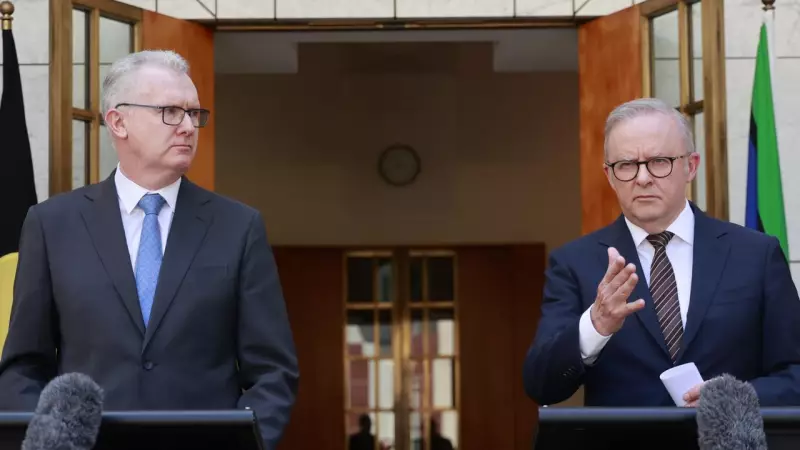
Federal Member for Herbert, Phillip Thompson OAM, has issued a forceful demand for Australia's top intelligence chiefs to urgently brief parliamentarians following the deadly stabbing attack at Bondi Junction Westfield.
Call for Transparency After Tragic Attack
The Queensland MP has formally requested that the Director-General of Security, Mike Burgess, and the Australian Federal Police Commissioner, Reece Kershaw, appear before a special sitting of the Parliamentary Joint Committee on Intelligence and Security (PJCIS). Thompson's demand comes in the wake of the April 13 attack, where Joel Cauchi, 40, killed six people and injured a dozen more before being shot dead by a lone police officer.
Thompson, who serves as the Deputy Chair of the PJCIS, expressed grave concerns about potential intelligence failures. He stated the committee, which oversees agencies like ASIO, needs to understand what was known about the attacker and whether any warning signs were missed. "The Australian public deserves answers," Thompson asserted, highlighting the need for accountability from the security agencies tasked with protecting citizens.

Questions Over Attacker's Profile and Motives
The attack has raised critical questions about Cauchi's background and the authorities' prior knowledge of him. It was revealed that Queensland police had interacted with Cauchi in the past regarding mental health and welfare checks. However, he was not on any national security terror watchlist at the time of the atrocity.
Thompson emphasised that the briefing is not about assigning blame in the immediate aftermath but is a crucial step in the oversight process. "We need to understand the facts, what was known, and ensure our systems are robust to prevent such tragedies where possible," he said. The MP's call underscores the delicate balance between addressing mental health issues and assessing potential security threats.
National Security and Parliamentary Oversight
This move places significant focus on the role of the PJCIS, a powerful bipartisan committee that reviews the administration and expenditure of Australia's key intelligence agencies. A briefing from Burgess and Kershaw would provide parliamentarians with classified details not available to the public, informing future policy and resourcing decisions.
The Bondi Junction attack has sent shockwaves through the nation, prompting a review of security protocols in public spaces and renewed debate over knife crime and mental health service provision. Thompson's demand for an intelligence briefing signals the next phase: a thorough examination of whether the country's security apparatus functioned as intended. The response from intelligence chiefs and the government to this request is now highly anticipated.