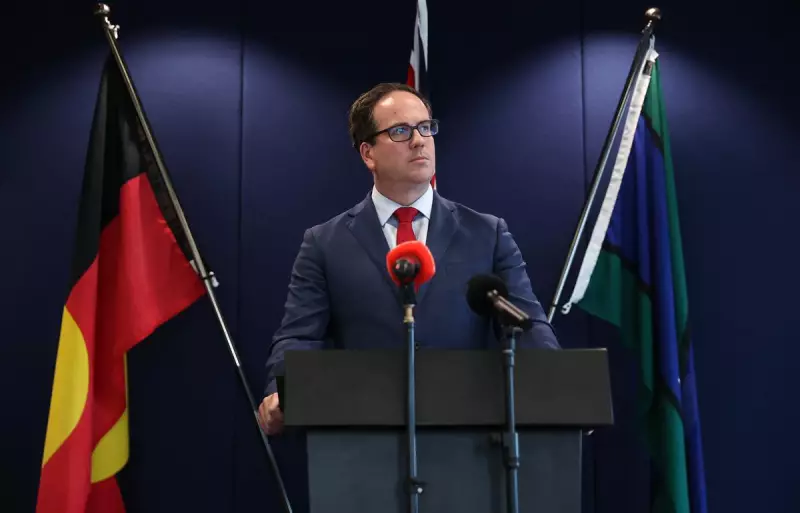
Australia's Minister for Veterans' Affairs, Matt Keogh, has laid out a significant new vision aimed at fundamentally improving the support system for the nation's ex-service personnel. The plan centres on driving a profound cultural change within the Department of Veterans' Affairs (DVA) and embracing innovative, cutting-edge treatments to sustain long-term wellbeing.
A New Cultural Direction for Veterans' Support
Speaking at a key address, Minister Keogh pinpointed the need for a major cultural shift within the DVA as the cornerstone of his strategy. He argued that the department must evolve from a historically complex and adversarial claims-processing entity into a genuinely supportive, client-focused service. This transformation is seen as critical to ensuring veterans and their families feel respected and understood when seeking help.
"We need to change the culture of DVA to be one that is supportive of veterans and families, not one that is seen as an adversary," Keogh stated. The goal is to build a system where veterans are met with empathy and efficiency, reducing the bureaucratic hurdles that have often compounded their stress during claims processes.
Embracing Innovation in Treatment and Support
Beyond internal reform, the minister highlighted the government's commitment to exploring and funding advanced and emerging treatments for service-related physical and mental health conditions. This includes a focus on therapies that go beyond traditional models, potentially incorporating new psychological techniques, technology-assisted rehabilitation, and other evidence-based innovations.
The push for modern treatments is designed to address the unique and complex needs of the veteran community proactively. By investing in cutting-edge care, the government aims to provide better outcomes for issues like PTSD, physical injury rehabilitation, and overall mental health, helping veterans not just recover but thrive in their post-service lives.
Building a Sustainable Future for Veteran Wellbeing
The overarching mission, as framed by Keogh, is to create an environment where veteran wellbeing is sustained over the long term. This holistic approach recognises that support must be continuous and adaptive, extending from the point of transition out of the military through all subsequent stages of life.
The minister's announcement signals a clear intent from the federal government to move beyond piecemeal fixes. Instead, it proposes a coordinated, two-pronged strategy: fixing the system from within through cultural renewal, while simultaneously ensuring the clinical and therapeutic support offered is at the forefront of medical science. The success of this plan will be closely watched by the veteran community, which has long advocated for systemic reform and improved access to effective care.