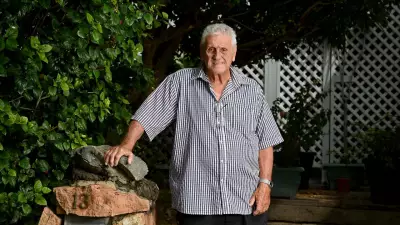
The long-awaited final report from the Royal Commission into Defence and Veteran Suicide has been delivered, marking the end of a gruelling three-year inquiry. For its chair, Nick Kaldas, the moment brought a profound sense of relief rather than celebration, coupled with a sobering call for immediate and decisive action from the federal government.
A Solemn Duty Concluded
After an exhaustive process that included 340 days of hearings, over 5,900 submissions, and countless private sessions with grieving families, the commission formally concluded its work on Monday. The final report, comprising thousands of pages, was presented to the Governor-General and subsequently to the government. Mr Kaldas described the emotional weight of the task, stating the commission had been entrusted with the sacred stories of those who had served and their loved ones left behind.
The commission's core finding was stark: systemic failures within defence and veteran support systems have contributed to the tragic loss of life through suicide. Mr Kaldas emphasised that the evidence gathered painted a clear picture of an institution and support bureaucracy that had, at times, profoundly failed its own people.

Key Recommendations and the Path Forward
The report contains hundreds of recommendations aimed at creating lasting, systemic change. Central to the proposed reforms is the establishment of a permanent, independent oversight body. This entity would be tasked with monitoring the wellbeing of serving and ex-serving personnel and ensuring government agencies are held accountable for implementing the commission's findings.
Other critical areas addressed include:
- Streamlining the complex and often traumatic claims process for veterans seeking compensation and support.
- Fundamentally reforming military culture to address issues of abuse, bullying, and harassment.
- Improving transition services to better support personnel moving from military to civilian life.
Mr Kaldas made it clear that the work is far from over. "The real test begins now," he said, urging the government to move beyond expressions of sympathy and commit to a transparent, fully-funded implementation plan. He warned against allowing the report to gather dust, a fate that has befallen previous inquiries.
A Legacy of Lives Lost, A Hope for Change
The chair paid tribute to the courage of the families, veterans, and serving members who came forward, often reliving immense trauma to ensure future service personnel would not suffer as they had. Their testimony, he noted, was the driving force behind the commission's work and its recommendations.
While there is no sense of triumph, the completion of the report offers a measure of relief and a tangible blueprint for saving lives. The nation now watches to see if the political will exists to honour the sacrifice of those who served by fixing the broken systems that were meant to support them. The commission has handed Australia a profound responsibility; the government's response will be its lasting legacy.