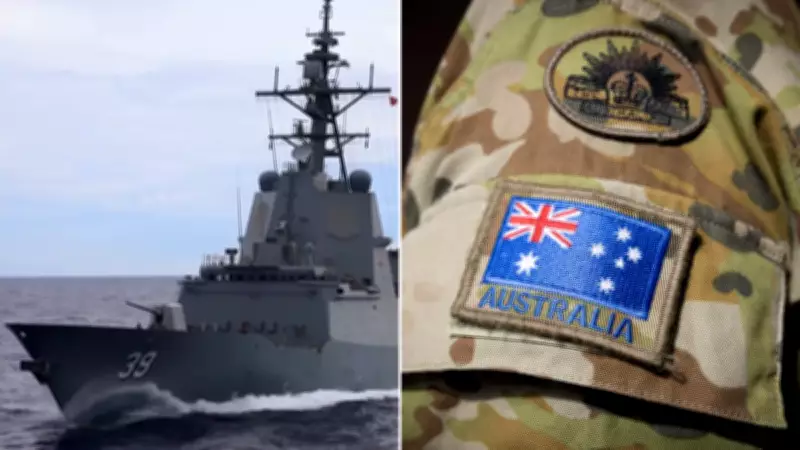
Australia Unveils Major Defence Spending Increase of $53 Billion
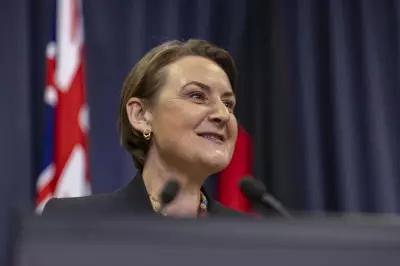
The federal government has announced a substantial defence spending boost, committing an additional $53 billion over the next decade to enhance military capabilities in response to an increasingly volatile global environment. Defence Minister Richard Marles will detail this funding surge in a major address at the National Press Club on Thursday, outlining strategies to strengthen the nation's armed forces.
Significant Jump in Defence Budget
An extra $14 billion will be allocated over the next four years, with total defence spending projected to reach three per cent of GDP by 2033. This marks a significant increase from the previously announced target of 2.3 per cent, reflecting heightened concerns over global security risks.
The increase comes amid growing pressure from the United States, with the Trump administration urging allies to lift defence spending as international tensions escalate. Marles is expected to highlight the scale of emerging threats, stating, "Australia faces its most complex and threatening strategic circumstances since the end of World War II. International norms that once constrained the use of force and military coercion continue to erode."

Changes in Spending Calculation and Private Capital
In a notable shift, the government will alter how defence spending is calculated, adopting a broader NATO-style model that includes items such as veterans' pensions and funding for the Australian Federal Police. Additionally, for the first time, private capital will be utilized to help fund defence capabilities.
Marles will explain, "In the face of this, the Albanese government is pursuing every avenue of increasing defence capability quickly, mostly through bigger defence appropriations but also through accessing private capital." He added, "The result is that we are now seeing the biggest peacetime increase in defence spending in our nation's history."
Focus on Major Projects and Strategic Effectiveness
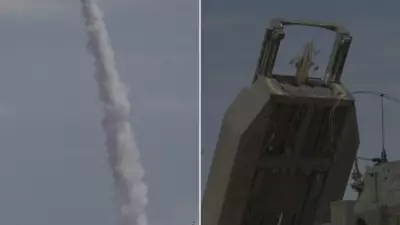
The funding boost supports major ongoing projects, including new Navy frigates and AUKUS submarines, alongside increased investment in emerging technologies like drones. Marles is expected to emphasize that the strategy is not solely about spending more but spending better.
"Delivering this strategy is not only about investing more, it is about spending better," he will say. "It puts Australia on a path to strengthen our defence self-reliance. It reinforces the industrial and national foundations of defence, and it situates Australia firmly within a network of trusted regional and global partnerships."
Despite this increase, Australia's planned spending still falls short of US President Donald Trump's push for allies to spend 3.5 per cent of GDP on defence, as Washington calls for partners to take on more of their own security burden.