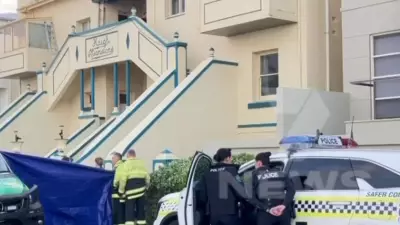
A critical review of Western Australia's counter-terrorism laws has exposed a dangerous legal deficiency that could compel police to release a person they believe is on the verge of committing a terrorist act. The report, tabled in State Parliament, makes 16 urgent recommendations to overhaul the Terrorism Prevention Detention Act.
A Critical Gap in Counter-Terrorism Powers
The review identified a significant flaw in the current legislation. WA Police may be forced to release a suspect if there is no longer a basis to hold them under the Criminal Investigation Act, even while applying for a formal Preventative Detention Order (PDO). This gap creates a window where a person believed to be planning an attack could disappear or advance their plans.
"The Act does not permit WA Police Force to detain a person who is believed to be planning, or about to engage in, a terrorist act until an issuing authority... makes a PDO," the report states. It warns that police risk losing contact with the individual during this procedural delay.

Key Recommendations from the 16-Point Review
The review, prompted by the radicalisation and death of a 16-year-old boy in Willetton in May 2024, proposes several major changes. One central recommendation is to amend the law, allowing a senior police officer to authorise a short-term PDO to bridge the gap before a judge or former judge can formally issue the order.
Other key proposals include lowering the minimum age for a PDO from 16 to 14 years. This change directly relates to the Willetton case, where the teenage perpetrator had been known to authorities and was participating in de-radicalisation programs before his attack.
The review also suggests abolishing a restriction that prevents police from executing a PDO at a residential premises between 9pm and 6am, except under strict conditions. This aims to provide greater operational flexibility to law enforcement.
Implications for Security and Law Enforcement
The findings highlight the ongoing challenge of balancing security powers with legal safeguards. The identified loophole presents a tangible risk to public safety, potentially hindering police during critical, time-sensitive investigations into potential terrorist acts.
The report's recommendations now await consideration by the WA government. If adopted, they would significantly enhance police powers to intervene preventatively. The tragic incident in Willetton, where the boy messaged friends about going "on the path of jihad" before the attack, underscores the real-world urgency of the legislative fix.
The review's 16 recommendations mark a potential turning point for the state's counter-terrorism framework, aiming to close gaps that could be exploited by those intent on causing harm.