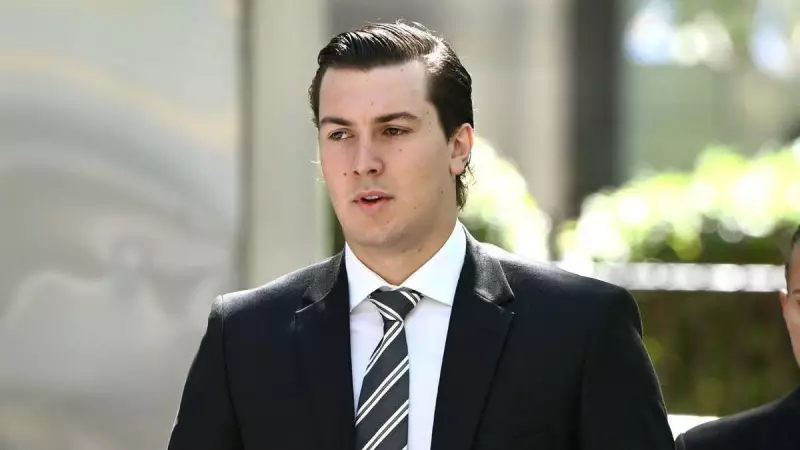
Tom Silvagni, the youngest son of Australian Football League great Stephen Silvagni and television personality Jo Silvagni, is fighting to have his two rape convictions overturned. He has lodged an appeal arguing that the judge presiding over his trial made significant legal errors.
Grounds for Appeal Lodged in Court
Silvagni's legal team formally lodged an application for leave to appeal with the Victorian Court of Appeal on January 9, 2025. The documents, released to media on Thursday, outline the core argument that Judge Gregory Lyon erred during Silvagni's County Court trial last December. The jury in that trial found the 23-year-old guilty of two counts of rape.
The convictions relate to an incident in the early hours of January 14, 2024, at Silvagni's Melbourne home. The court heard that the victim, using the pseudonym Samantha Taylor, had consensual sex with Silvagni's friend, Anthony LoGiudice, who then organised an Uber and left the property shortly before 2am.

Allegations of Deception and Incriminating Conduct
Prosecutors alleged that Silvagni then deceived Ms Taylor, telling her that Mr LoGiudice's Uber had been cancelled and he would be returning upstairs. Instead, it was Silvagni who entered the dark bedroom a short time later, pretending to be his friend before digitally raping Ms Taylor twice.
In the days following the assault, Silvagni's actions formed a key part of the prosecution's case. He fabricated an Uber receipt to make it appear Mr LoGiudice had left after 2:30am. He also engaged in a pre-recorded phone call with Ms Taylor where he maintained his claim that it was Mr LoGiudice in the room and suggested she drop the case.
Legal Arguments Focus on Judge's Directions
Silvagni's appeal grounds centre on how this post-offence conduct was handled at trial. His lawyers claim Judge Lyon's first error was allowing the jury to consider the pre-recorded phone call as evidence of incriminating conduct. This legal term refers to actions or statements made by an accused person after an alleged crime that suggest guilt.
The appeal document further states the judge wrongly gave jurors directions about how they should use this evidence of incriminating conduct in their deliberations. Silvagni is seeking an oral hearing to argue his appeal against the convictions, though a date is yet to be set.
Notably, he has not appealed his jail sentence of six years and two months, with a non-parole period of three years and three months. His parents had previously indicated an appeal was forthcoming, telling reporters their son maintains his innocence and is determined to clear his name.