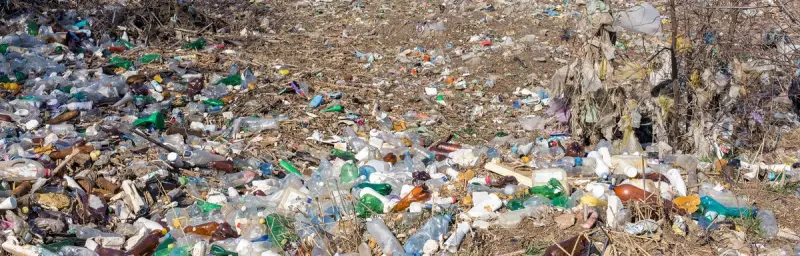
A concerning trend has emerged in Western Australia's fight against litter, with a new report showing a significant increase in plastic pollution while enforcement actions have dramatically fallen.
Plastic Pollution on the Rise
The latest National Litter Index from the Keep Australia Beautiful Council (KABC) reveals that plastic litter in WA increased by 8 per cent in the 2022-23 financial year. This data, compiled from surveys of nearly 1000 sites across the state, highlights a persistent environmental challenge. The report indicates that plastic items now make up a substantial portion of the litter stream, contaminating public spaces, waterways, and natural areas.
Despite this rise in plastic waste, the overall volume of litter across all materials in WA showed a marginal decrease of 2 per cent. However, the surge in plastic has alarmed environmental advocates and authorities, pointing to a specific and growing problem that requires targeted action.

A Stark Drop in Enforcement Fines
In a parallel and troubling development, the number of fines issued for littering in Western Australia has plummeted. Data obtained by the opposition shows that only 263 littering fines were issued in the 2022-23 period. This figure represents a staggering 75 per cent decrease from the 1045 fines dished out just two years prior in 2020-21.
The responsibility for issuing these fines falls to the Department of Water and Environmental Regulation (DWER). The dramatic reduction in penalties has sparked criticism and raised questions about the state's commitment to enforcing its own environmental laws.
Political Reaction and Calls for Action
The opposition's environment spokesperson, Steve Thomas, has seized on the data, criticising the Labor government for what he perceives as a failure in enforcement. "The report shows that plastic litter is increasing, and yet the number of fines being issued has dropped off a cliff," Dr Thomas stated. He directly linked the reduction in fines to the government's policies, suggesting a lack of serious deterrence is contributing to the problem.
In response, Environment Minister Reece Whitby defended the government's broader strategy. He emphasised that fines are just one tool among many and pointed to the success of community education and container deposit schemes. "The McGowan and now Cook governments have a strong record on tackling waste and promoting recycling," Mr Whitby said. He argued that the focus should be on prevention and changing community behaviour, not solely on punitive measures.
The minister also noted that local governments hold the primary power to issue littering fines in public places, suggesting a shared responsibility for enforcement. However, the state-level data from DWER indicates a significant drop in its own enforcement activity.
The juxtaposition of these two datasets—more plastic litter and far fewer fines—paints a challenging picture for WA's environmental management. It underscores a critical debate about the balance between education and enforcement in changing public behaviour and protecting the state's natural beauty from plastic pollution.