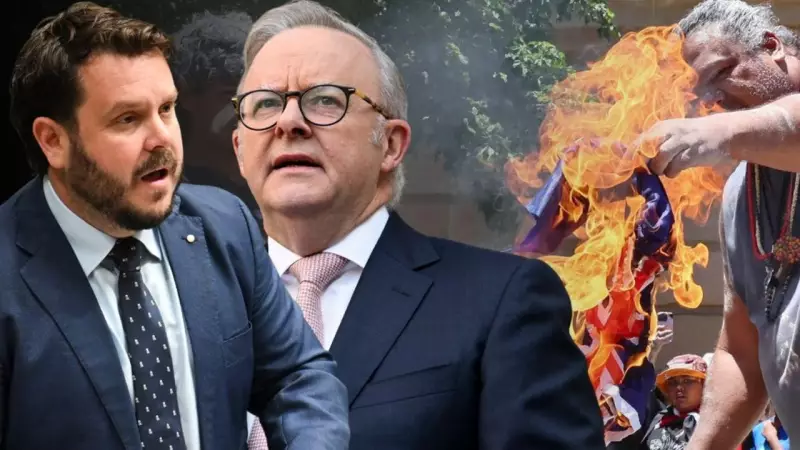
Politicians Demand New Laws to Jail Protesters Who Burn the Australian Flag
In a controversial move, Australian politicians are advocating for new legislation that would impose jail terms on individuals who burn the Australian flag during protests. This call for stricter penalties has ignited a heated debate across the nation, pitting concerns over national pride against the principles of free speech and peaceful demonstration.
Growing Calls for Legal Action
Recent incidents of flag burning at public demonstrations have prompted a strong response from lawmakers. They argue that such acts disrespect a key national symbol and undermine social cohesion. Proponents of the new laws claim that current penalties are insufficient to deter protesters from engaging in what they describe as destructive and offensive behavior.
Supporters of the proposed legislation emphasize that the Australian flag represents the country's identity and values. They believe that protecting it from desecration is essential for maintaining public order and respect for national institutions.

Debate Over Free Speech and Protest Rights
Opponents of the push for jail terms raise significant concerns about the potential impact on civil liberties. They argue that burning the flag is a form of political expression protected under free speech rights. Critics warn that criminalizing such acts could set a dangerous precedent, stifling dissent and limiting the ability of citizens to voice their grievances through peaceful protest.
Legal experts and human rights advocates have joined the discussion, pointing out that similar laws in other countries have faced challenges in courts. They stress the importance of balancing national security with individual freedoms, suggesting that alternative measures, such as fines or community service, might be more appropriate.
Potential Implications and Public Reaction
The proposal has sparked widespread public reaction, with opinions divided along political and social lines. Some Australians support the idea, viewing flag burning as an unacceptable affront to the nation. Others see it as an overreach of government power, fearing it could erode democratic rights.
If enacted, the new laws could lead to significant legal battles and reshape the landscape of protest in Australia. Politicians are expected to continue debating the issue in the coming months, with potential amendments to existing legislation on the table.
As the conversation unfolds, it highlights broader questions about how societies balance respect for symbols with the protection of fundamental freedoms. The outcome of this debate may have lasting effects on Australian law and the nature of public demonstrations in the future.