Confidential Briefing Exposes Critical Failures in NSW Hate Speech Legislation
A confidential government briefing obtained by 7NEWS has laid bare the alarming ineffectiveness of New South Wales' hate speech laws, revealing that authorities have secured a mere four convictions over an eight-year period. The shocking findings have stunned members of a closed-door parliamentary committee who had been working to strengthen legislation and create meaningful change in this critical area.
Police Struggle to Prosecute Hate Speech Offenders
The confidential briefing presented to the Department of Communities and Justice Law and Safety Committee shows that since 2018, police have laid charges in just fourteen matters related to hate speech, including cases involving specific prohibited phrases and public threats or incitements to violence. Of these fourteen cases, three were withdrawn due to administrative errors and two were subsequently overturned on appeal, leaving only four successful convictions.
Remarkably, no preacher or religious leader has faced charges under the current legislative framework, despite growing concerns about inflammatory rhetoric circulating within communities. Committee member and Bathurst MP Paul Toole expressed deep frustration with the situation, telling 7NEWS that hate preachers in New South Wales understand exactly how the laws operate and are effectively gaming the system.

"The Law Looks Tough on Paper but Fails in Practice"
Paul Toole delivered a damning assessment of the current legislation, stating that the paltry number of convictions demonstrates that while the law appears robust in theory, it completely collapses when applied in real-world scenarios. His comments highlight a growing consensus among lawmakers that urgent reform is necessary to address what many perceive as a systemic failure.
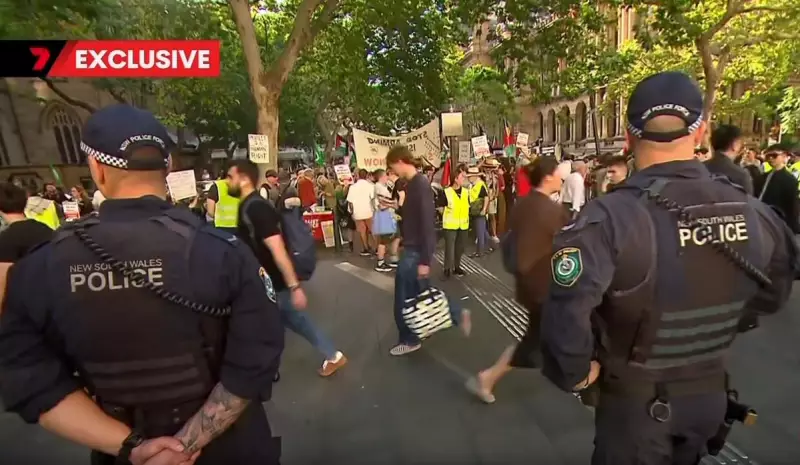
The challenges facing law enforcement were particularly evident on December 27, when police took extensive precautions following calls for a repeat of the Cronulla riots in the aftermath of the Bondi terror attack. Courts continue to grapple with determining whether such public calls constitute genuine incitement to violence under existing legal definitions.
Case Studies Highlight Legal Loopholes
One notable case involved a violent brawl organized through TikTok that resulted in a conviction for threatening religious violence. However, this conviction was later overturned on appeal, further illustrating the difficulties prosecutors face when attempting to secure lasting outcomes under current hate speech provisions.
NSW Premier Chris Minns has acknowledged the shortcomings and is now flagging additional changes to the legislative framework. A closed-door parliamentary committee is specifically examining how symbols and slogans are being used to spread hatred within communities, with particular attention to their impact on social cohesion.
Political Responses and Proposed Solutions
Premier Minns emphasized the distinct legal landscape in Australia compared to other jurisdictions, noting that Australia does not have the same broad freedom of speech protections found in the United States. This distinction creates both challenges and opportunities for crafting more effective hate speech legislation.
Meanwhile, 7NEWS understands that the opposition is actively drafting its own proposed laws targeting specific areas of concern, including anti-Semitism on university campuses and the radicalization of young people. Shadow Attorney General Damien Tudehope stressed the importance of addressing root causes, questioning what is occurring in schools and university environments that might contribute to these problems.
The confidential briefing has ignited renewed debate about how best to balance free expression with community protection, with all sides of politics recognizing that current approaches are delivering inadequate results. As pressure mounts for legislative reform, stakeholders across New South Wales will be watching closely to see whether meaningful changes can be implemented to address this critical issue.