Legal Expert Dismisses Calls to Cancel ISIS Brides' Passports as Return Nears
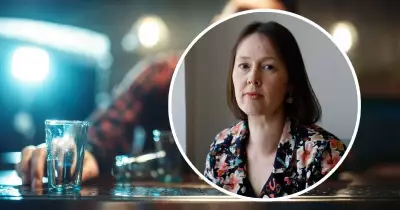
One of Australia's foremost international law experts has declared there is "no real basis" to cancel the passports of ISIS brides who are preparing to return to the country from Syria. Professor Donald Rothwell made this statement during an appearance on Sunrise, as political pressure mounts over the group's expected resettlement and calls to block their entry intensify.
Legal Constraints Under the Passports Act
Professor Rothwell explained that the legal reality is far more constrained than public discourse suggests. "There is no real basis for passports to be cancelled unless in the exceptional instance of where somebody has been convicted of a terrorism offence and that person is also a citizen of another country," he told the program. He emphasized that while suggestions to revoke passports have gained traction recently, the law does not support such actions now that the documents have been issued.
When questioned about whether the government was obligated to issue these passports, Rothwell clarified that this decision falls under the Passports Act. "While there are some grounds on which a passport can be denied for a person seeking to travel from Australia to commit a terrorist offence overseas, this is quite a distinctive situation," he noted. He further highlighted that without passports, these individuals would have no ability to travel at all, whether returning to Australia or attempting to flee the camps in Syria, severely compromising their mobility.

Exclusion Orders as the Primary Mechanism
Under current legislation, exclusion orders remain the primary tool available to the Commonwealth for managing such cases. "As things currently stand, it's the exclusion order powers which really provide the framework for the Commonwealth to be able to act," Rothwell stated. Currently, only one of the eleven women is subject to a temporary exclusion order, with Home Affairs Minister Tony Burke previously noting that a high threshold must be met before such an order can be issued.
The Coalition has proposed new legislation, including criminal offences to punish those who assist Australians with links to the Islamic State in their return. However, Rothwell pointed out that this would not physically prevent the women from crossing the border. "The Coalition has put forward a proposal for new legislation, but that really only goes to assistance to the women and the children as opposed to physically stopping them from crossing the border," he explained.
Potential Amendments and Constitutional Challenges
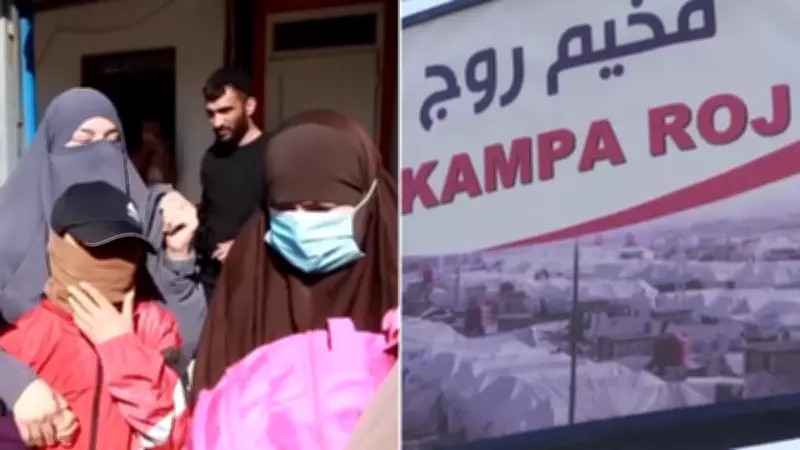
Rothwell expressed surprise that amendments to the Counterterrorism Temporary Exclusion Orders Act were not included in recent discussions. "In principle, there's no reason why the provisions of the Counterterrorism Temporary Exclusion Orders Act could not be subject to amendment," he said. As the debate continues, conditions in Syria are deteriorating rapidly, with one camp reportedly emptied last week.
He suggested that authorities may need to consider relocating the families to a safe and secure location where they can determine their own futures. Any move to toughen exclusion order laws would likely face a constitutional challenge, although the existing act has not yet been tested before the High Court.