Man Allegedly Gave Police False Name During Arrest Over Tobacco Wars
A man has been charged after allegedly providing a false name to police during his arrest, which is connected to ongoing investigations into the so-called tobacco wars in Australia. The incident highlights the escalating tensions and criminal activities surrounding illicit tobacco trade in the country.
Details of the Alleged Incident
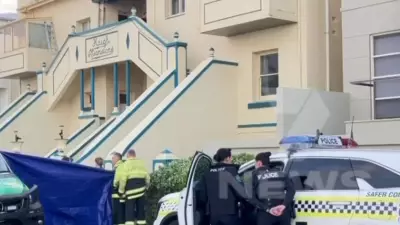
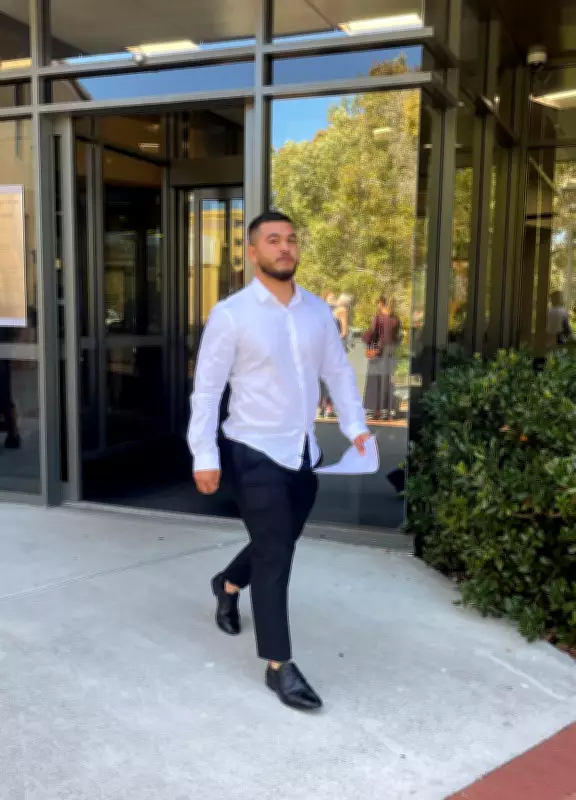
The man, identified as Ali Agha Yazdari, was arrested by police who were investigating his alleged involvement in the tobacco wars. During the arrest, it is claimed that he gave officers a false name in an attempt to evade identification and potential charges. This alleged act of deception has led to additional legal complications for the accused.
Police have stated that the arrest is part of a broader crackdown on organized crime groups involved in the illegal tobacco market, which has seen a surge in violence and disputes over territory in recent months. The tobacco wars refer to conflicts between rival gangs competing for control over the lucrative illicit trade, often resulting in assaults, property damage, and other criminal acts.

Legal Proceedings and Charges
Following the arrest, Ali Agha Yazdari has been formally charged with providing a false name to police, among other potential offenses related to the tobacco wars. He is scheduled to appear in court, where the details of the case will be further examined. The charges underscore the serious nature of the allegations and the authorities' commitment to addressing the issue.
In court documents, it is alleged that the false name was given intentionally to obstruct the police investigation. If convicted, the accused could face significant penalties, including fines and imprisonment, depending on the severity of the charges and any prior criminal history.
Context of the Tobacco Wars in Australia
The tobacco wars have become a growing concern for law enforcement agencies across Australia. These conflicts involve criminal networks engaged in the illegal sale and distribution of tobacco products, often bypassing taxes and regulations. The disputes have led to a spike in violent incidents, including shootings and arson attacks, particularly in urban areas.
Authorities have been ramping up efforts to combat these activities, with increased patrols, surveillance, and arrests. The case of Ali Agha Yazdari is seen as part of this broader strategy to dismantle the networks involved and restore public safety. Experts warn that the illicit tobacco trade not only fuels crime but also results in significant revenue losses for the government.
Implications and Public Response
The alleged incident has drawn attention to the challenges faced by police in dealing with sophisticated criminal operations. Providing a false name during arrest is a common tactic used by individuals to avoid detection, but it can complicate investigations and delay justice. Community leaders have called for stronger measures to tackle the root causes of the tobacco wars, such as poverty and lack of economic opportunities.
As the case progresses through the legal system, it will likely serve as a test of how effectively the justice system can handle such complex crimes. The outcome may influence future policing strategies and legislative actions aimed at curbing the illicit tobacco market and associated violence.