Kellerberrin Shooting Inquest Concludes No Ideological Motivation
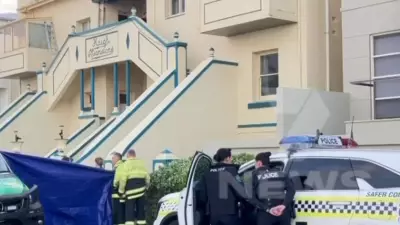
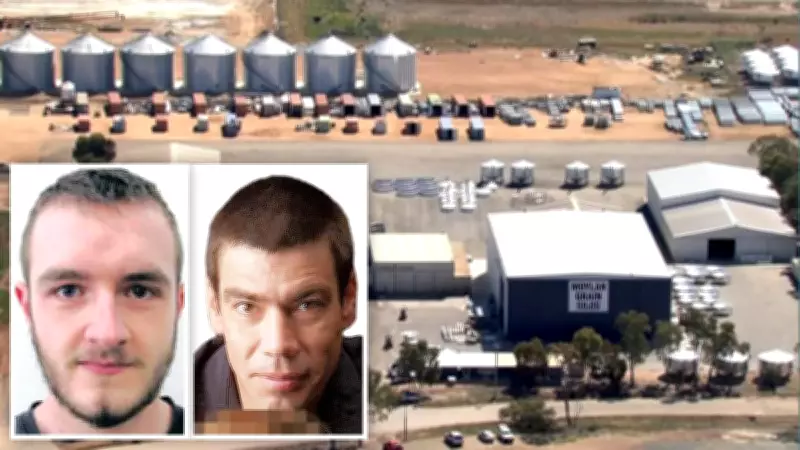
A coronial inquest into the fatal shooting of Lachlan Bowles in Kellerberrin has determined that the incident was not driven by ideological beliefs, despite the presence of Nazi-related items at the scene. The findings, delivered by the Western Australian Coroner's Court, shed light on the complex circumstances surrounding the tragic event that occurred in the rural town.
Details of the Investigation and Evidence Presented
The inquest revealed that Lachlan Bowles, a local resident, was found deceased with a Nazi armband and flag nearby, sparking initial concerns about potential extremist motivations. However, thorough police and forensic analysis indicated that these items were not central to the cause of the shooting. Witness testimonies and personal records suggested Bowles was grappling with personal issues, including mental health challenges and social isolation, which likely contributed to the outcome.
Coroner's findings emphasized that while the Nazi symbols were present, there was no evidence linking them to any organized ideology or hate-driven intent. Instead, the investigation pointed to a combination of factors such as financial stress, relationship problems, and access to firearms as key elements in the case. The coroner noted that the community of Kellerberrin had been deeply affected by the incident, with many expressing shock and confusion over the initial speculation.

Community Impact and Broader Implications
The Kellerberrin shooting has prompted discussions about rural mental health support and firearm safety in Australia. Local authorities have called for increased resources to address underlying issues in remote areas, where access to services can be limited. The inquest's conclusion aims to provide closure for Bowles' family and the wider community, while highlighting the need for proactive measures to prevent similar tragedies.
This case underscores the importance of thorough investigations in dispelling misconceptions and focusing on factual evidence. As the coroner's report is finalized, it will serve as a reference for future incidents involving complex personal and social factors, ensuring that responses are grounded in reality rather than assumption.