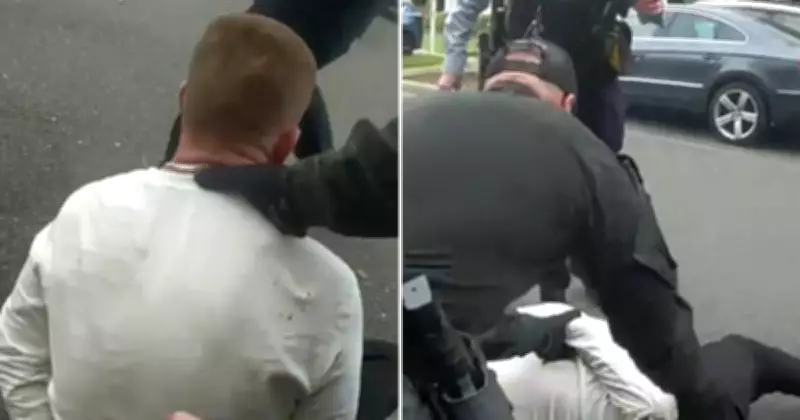
Court Releases Footage of Tayler Hazell's Unlawful Arrest in Canberra
The ACT Supreme Court has made public body-worn camera footage capturing the unlawful arrest of Tayler Hazell, a case that has sparked significant debate over police procedures and legal oversight in the Australian Capital Territory. This release follows a judicial review that deemed the arrest improper, highlighting potential issues in law enforcement practices.
Details of the Arrest Incident
The footage, recorded by police officers during the incident, shows Tayler Hazell being detained under circumstances later ruled as unlawful by the court. The video provides a clear visual account of the events, including interactions between Hazell and the officers involved. According to court documents, the arrest was conducted without sufficient legal justification, leading to questions about the adherence to proper protocols.
Legal experts have analyzed the footage, noting that it reveals discrepancies in the officers' actions compared to standard arrest procedures. The court's decision to release the video aims to promote transparency and accountability within the police force, allowing the public to assess the situation firsthand.

Implications for Police Conduct and Public Trust
This case has broader implications for police conduct in Canberra and across Australia. The release of the footage is part of an ongoing effort to ensure that law enforcement agencies operate within the bounds of the law. Community leaders and advocacy groups have expressed concern over the incident, calling for reforms to prevent similar occurrences in the future.
In response, the ACT Policing has stated that they are reviewing the footage and the court's findings to improve training and operational guidelines. They emphasized their commitment to upholding high standards of professionalism and legality in all interactions with the public.
Legal and Social Reactions
The unlawful arrest of Tayler Hazell has prompted discussions about civil liberties and the rights of individuals during police encounters. Legal scholars argue that such cases underscore the importance of judicial oversight in maintaining a fair justice system. The footage serves as a critical piece of evidence in evaluating police accountability and the effectiveness of existing legal frameworks.
Public reaction has been mixed, with some calling for stricter regulations on police powers, while others support the officers' actions as necessary for public safety. The court's transparency in releasing the footage is seen as a step toward fostering trust between the community and law enforcement.
Moving forward, this incident may influence policy changes and training programs aimed at preventing unlawful arrests. It highlights the need for continuous evaluation of police practices to ensure they align with legal standards and respect individual rights.