DNA Evidence Emerges in 40-Year-Old Cold Case Murder Trial
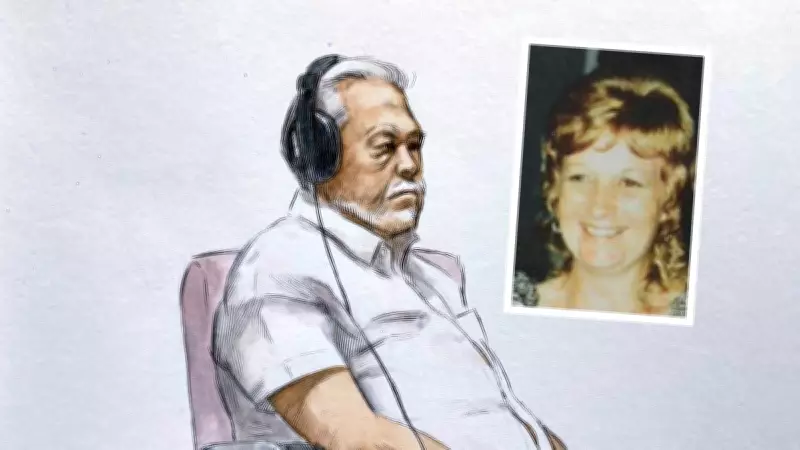
In a dramatic development in a decades-old murder case, a West Australian court has heard that the man accused of killing his wife nearly 40 years ago left his DNA on a letter that attempted to stitch up another person for the crime. Raymond Reddington, who changed his name from Maxwell Robert Fulton, is on trial in the Supreme Court of WA for the alleged murder of his wife, Sharon Fulton, in 1986.
The Disappearance of a Devoted Mother
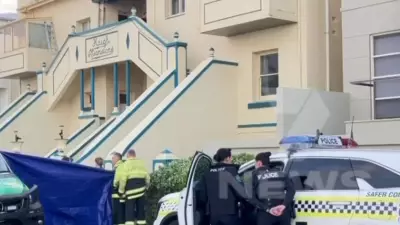
Sharon Fulton, a 39-year-old mother of four, was last seen on the morning of March 18, 1986, leaving the family home in Duncraig to drop off her three-year-old son in Wangara. Her husband, Raymond Reddington, reported her missing three days later at Warwick Police Station. Prosecutor Ben Stanwix told the court that this delay gave Reddington time to cover up the alleged crime.
In his missing persons report, Reddington claimed that his wife had left him, possibly with a boyfriend, and even suggested it was his ex-best mate. He later stated that he had taken her to East Perth train station, where she indicated she would be away for some time with another man. The prosecutor noted that Reddington made a point of showing homicide detectives clothes missing from her wardrobe, furthering the narrative of her departure.

Shifting Stories and a Clear Motive
Over the years, Reddington, a former Royal Australian Air Force technician who moved to Queensland with the children, provided various accounts of what happened to his wife. These included dropping her off at Mt Lawley and Perth train stations for outings lasting just a few hours. At times, he described their family life as stable, while other times he admitted the marriage was in bad shape and wondered if she had experienced a mid-life crisis.
However, the prosecution revealed that the reality was quite different. Mrs Fulton had been unhappy and had made an application for divorce, seeking custody of the children and a property settlement. Prosecutor Stanwix argued that Reddington stood to lose everything, including being required to pay maintenance, providing a clear motive for the alleged murder.
Adding to this motive, the court heard that weeks before Mrs Fulton vanished, Reddington took out a life insurance policy in her name worth $120,000 in 1986 money. "There was a clear motive for Mr Fulton to kill his wife," Stanwix stated, alleging that Reddington deliberately lied to cover up the killing.
The DNA Breakthrough and False Trail
In November 2021, as an inquest was due to be held, the WA Coroner’s Court received a crudely-written letter claiming to be from the husband of one of Mrs Fulton’s friends. The letter alleged that the writer had gotten her pregnant and buried her under a concrete driveway. This seemed like a significant breakthrough, but forensic analysis revealed Reddington’s DNA inside the envelope.
Prosecutor Stanwix described this as a bid to lay a false trail, with Reddington’s own genetic material implicating him in the attempt to frame another person. The prosecution does not allege that Reddington necessarily planned the killing that day, but rather that things came to a head violently and deliberately. Despite extensive investigations, no trace of Sharon Fulton has ever been found.
Defence Strategy and Historical Context
Defence counsel Jonathan Davies is set to deliver his opening address, with the prosecution anticipating that he will blame other killers active in Perth in 1986, including the notorious Birnies. The trial continues as the court delves into this complex cold case, with DNA evidence playing a pivotal role in the proceedings.
The case highlights the enduring nature of justice, with modern forensic techniques shedding new light on a crime that has remained unsolved for four decades. As the trial unfolds, the jury will weigh the evidence of shifting stories, financial motives, and the crucial DNA link to the stitch-up letter.