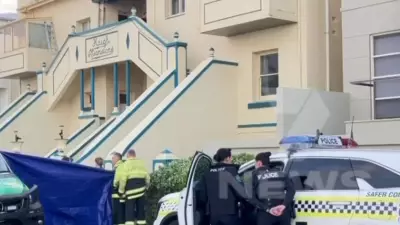
Crown prosecutors have laid out a compelling case against Rajwinder Singh, the man accused of murdering 24-year-old Toyah Cordingley on a Far North Queensland beach, detailing a chain of evidence including DNA and disturbing gravesite findings.
The Crown's Damning Evidence Catalogue
During a pre-trial hearing in the Cairns Supreme Court, the prosecution methodically presented its evidence against the 38-year-old former nurse. The case centres on the tragic death of Toyah Cordingley, who was killed while walking her dog on Wangetti Beach, north of Cairns, on October 21, 2018.
The Crown alleges Singh's DNA was found under Cordingley's fingernails, a critical piece of forensic evidence linking him to the violent attack. Prosecutors also told the court that soil and vegetation consistent with the gravesite where Cordingley's body was discovered were found on Singh's motorcycle and trailer.

Further compounding the case against him, the court heard that in the immediate aftermath of the alleged murder, Singh swiftly departed Australia, flying to India on October 23. He remained there until his arrest and extradition in late 2022.
A Timeline of Flight and Arrest
The sequence of events following the crime paints a picture of a rapid exit. Toyah Cordingley was reported missing on October 21, 2018, after failing to return from her beach walk. Her body was discovered the following day.
Rajwinder Singh boarded a flight to India just one day after her body was found, abandoning his family, home, and job in Innisfail. For four years, he remained in India before being taken into custody. His extradition back to Australia was a complex process, finally culminating in his arrival in Queensland to face justice.
Justice James Henry, presiding over the hearing, was presented with the full catalogue of evidence the Crown intends to rely on at trial. This includes not only the forensic material but also witness statements and other contextual evidence surrounding Singh's sudden departure.
The Long Road to Justice
The case has been a protracted one, causing immense anguish for Toyah Cordingley's family and the Cairns community. The lengthy international manhunt and extradition process highlighted the challenges of cross-border justice.
Singh, who has been held in custody since his return to Australia, attended the pre-trial hearing via video link from prison. The hearing is a procedural step to confirm the evidence before a jury is empanelled for the full trial.
The murder of Toyah Cordingley sent shockwaves through Far North Queensland, prompting widespread community grief and a relentless campaign by her family for answers. The detailed evidence now being presented in court marks a significant milestone in the long quest for accountability.
A trial date is expected to be set following the conclusion of these pre-trial matters. The community and the nation will be watching closely as the case, built on forensic science and a timeline of alleged actions, proceeds through the Queensland justice system.