Accused Bikie Granted Bail in Canberra Barbershop Stabbing Case
A Canberra court has granted bail to an alleged bikie gang member who is facing charges related to a violent stabbing incident at a local barbershop. The decision has ignited significant public debate and raised serious concerns about community safety and the judicial process in the Australian Capital Territory.
Details of the Stabbing Incident
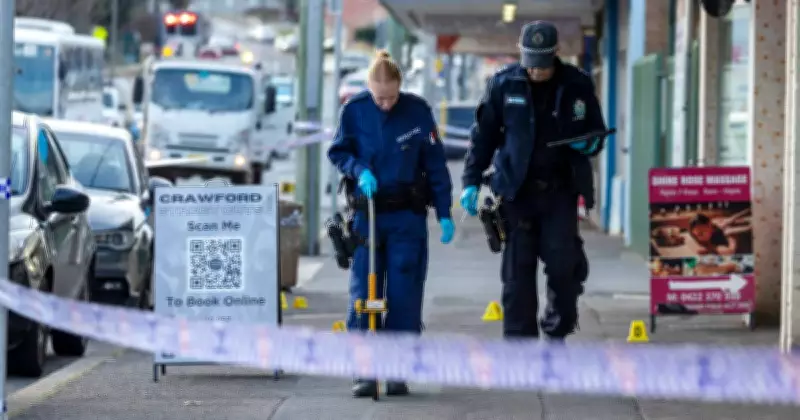
The incident occurred earlier this year at a barbershop located in a suburban area of Canberra. According to police reports, the altercation involved multiple individuals and resulted in one person being stabbed with a sharp object. The victim sustained non-life-threatening injuries and was promptly treated at a nearby hospital. Authorities have described the event as part of an ongoing feud between rival groups, with the accused allegedly linked to a prominent bikie gang known for its involvement in organized crime activities across the region.
Court Proceedings and Bail Decision
During the recent court hearing, the prosecution argued against bail, citing the accused's criminal history and the potential risk to public safety. They emphasized the violent nature of the offense and expressed fears that the individual might interfere with witnesses or commit further crimes if released. However, the defense successfully contended that the accused had strong community ties, including family responsibilities and employment prospects, which would ensure compliance with bail conditions.

The magistrate ultimately ruled in favor of granting bail, imposing strict conditions such as regular reporting to police, a curfew, and a prohibition on contacting any witnesses or co-accused. The court also required a substantial financial surety to be posted. Legal experts have noted that this decision aligns with recent trends in Australian bail laws, which increasingly prioritize rehabilitation and presumption of innocence, especially for non-violent offenders or those with mitigating circumstances.
Community and Legal Reactions
The bail grant has provoked mixed reactions from the Canberra community and legal observers. Some residents have voiced alarm, arguing that releasing an alleged bikie member involved in a stabbing undermines public trust in the justice system and could escalate local crime rates. Community leaders have called for tighter bail regulations and enhanced police monitoring to prevent similar incidents in the future.
Conversely, civil liberties advocates have defended the court's decision, highlighting the importance of due process and the right to bail as fundamental principles in a democratic society. They point out that the accused has not been convicted and deserves the opportunity to prepare for trial without undue detention, provided that bail conditions are rigorously enforced. This case has sparked broader discussions about balancing individual rights with collective security in Australia's legal framework.
Broader Implications for Crime and Justice
This incident sheds light on the persistent challenges of gang-related violence in urban areas like Canberra. Bikie gangs have long been a focus of law enforcement efforts due to their involvement in drug trafficking, extortion, and violent confrontations. The barbershop stabbing case underscores the need for comprehensive strategies that address both immediate crime prevention and long-term social interventions to deter youth from joining such groups.
Moreover, the bail decision may influence future judicial approaches in similar cases, potentially setting a precedent for how courts assess risk and community safety. As the legal proceedings continue, with a trial date yet to be set, stakeholders are closely watching for outcomes that could impact policy reforms and public perceptions of justice in Australia.
In summary, the granting of bail to an accused bikie in the Canberra barbershop stabbing case has highlighted critical issues at the intersection of crime, law, and community welfare. While the court's ruling adheres to legal standards, it has ignited a vital conversation about ensuring safety and fairness in the Australian capital.