Abalone Trafficking Charges Formally Withdrawn Against Seven South Coast Men
Seven men from the South Coast region have walked free from Nowra Local Court after a combined total of 41 charges related to an alleged criminal abalone trafficking operation were formally withdrawn by prosecutors. The charges, which included trafficking an indictable species of fish and participating in a criminal group, were dropped during a court appearance on Tuesday, January 27.
Defendants and Allegations
The accused individuals were identified as Keith Ronald Nye, 69, Cain Riley Bollard, 24, Brent Wellington, 25, Richard Neville Schofield, 57, Denzel Carriage, 22, John Henry Carriage, 46, and John Nathan Carriage, 24. It was alleged that between September 2023 and February 2024, the men trafficked quantities of blacklip abalone, scientifically known as Haliotis rubra, ranging from 91 to 1,307 individual specimens.
The alleged activities took place across multiple locations on the South Coast, including Batemans Bay, Green Cape, Eden, Merimbula, Mogo, Tura Beach, and even extended to Sydney. The case stemmed from a joint investigation conducted by police and the New South Wales Department of Primary Industries and Regional Development.

Legal Proceedings and Defence Arguments
During two weeks of pre-trial proceedings, defence lawyers indicated they would have relied on native title and dishonesty defences if the matter had proceeded to a full hearing. Significant concerns were raised about delays in obtaining subpoenaed material, the presence of redacted documents, and disputes over admissible evidence.
Defence lawyer Andrew Metcalfe questioned the reliability of eyewitness testimonies, particularly observations made from rock platforms at distances of hundreds of metres. He argued these observations were compromised by "the risk of cross cultural contamination and confirmation bias." The court heard from fisheries officers on January 16, where further questions were raised about the evidence collection methods.
Costs and Investigation Expenses
The court was informed that the joint investigation was estimated to have cost between $2 million and $3 million. Additionally, the seven lawyers representing the defendants will return to Nowra Local Court on Friday to make cost applications seeking reimbursement for their clients' legal expenses.
Aboriginal Fishing Rights Concerns
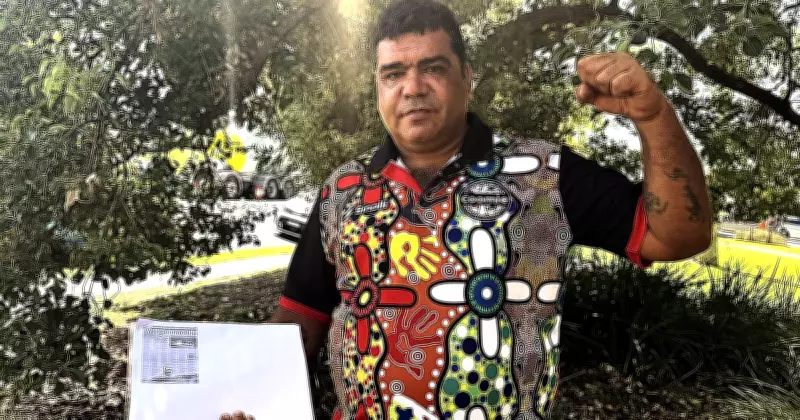
The withdrawal of charges has reignited longstanding concerns about the prosecution of Aboriginal fishing rights on the NSW South Coast. John Henry Carriage, founder of the Walbunja Aboriginal Divers Rights group and one of the defendants, expressed frustration rather than relief at the charges being dropped.
"I feel like they've withdrawn so they could fight another day," Carriage stated outside the court. "If we get found not guilty, it sets a precedent and they leave us alone. But if they feel they've got no evidence to convict us and we're going to be the winners for once, they withdraw."
Danny Chapman, a Walbunja man and South Coast representative on the NSW Aboriginal Land Council, who attended court to show support, highlighted broader issues. "Fisheries over the years have tried to manage Aboriginal fishing by prosecution rather than sitting down and working out ways in which we could participate in commercial and cultural activities," Chapman said. "They've decided not to go down that track, but rather to prosecute us every time we stepped near the water."
Broader Implications
This case underscores the ongoing tensions between Aboriginal communities and regulatory authorities regarding fishing rights and cultural practices. The substantial costs associated with the investigation and legal proceedings have raised questions about resource allocation and prosecution strategies in similar cases involving indigenous fishing activities.
The withdrawal of charges leaves open the possibility of future legal action, as noted by Carriage's concern that the process could "start all over again" if he returns to fishing. The case highlights the complex intersection of environmental conservation, indigenous rights, and law enforcement priorities in coastal regions of New South Wales.