Northumberland: England's Untamed Wilderness and Historic Road Trip Gem
Northumberland stands as England's most northerly county, stretching further up the island of Britain than parts of south-western Scotland. With an estimated population density of just 63 people per square kilometre—compared to London's 5562—it is also England's least populated county. This region, once part of the mighty Anglo-Saxon kingdom of Northumbria, offers unspoiled wilderness and absorbing history, making it a compelling destination for a scenic road trip. Here are three key aspects to focus on during your journey.
The Coast: A Picturesque and Invigorating Escape
If you have ever ridden the train on Britain's East Coast Main Line from London to Edinburgh, you likely caught a fleeting glimpse of Northumberland's picturesque coast. However, having your own vehicle allows you to stop at will, stretching your legs and savouring the views, landmarks, and salty breezes. Northumberland boasts around 100 kilometres of marked coastal paths, connecting Newcastle's seaside suburbs with Berwick-upon-Tweed, a border town that has changed hands multiple times between England and Scotland, with the English capturing it permanently in 1482.
The coast features sprawling sandy beaches, basalt coves, crab shacks, and medieval fortresses like the ruined Dunstanburgh and restored Bamburgh. This area forms an invigorating portion of the new King Charles III England Coast Path, officially unveiled in March. Stretching 4238 kilometres around England's shores, it is said to be the world's longest managed coastal walking route.

Additionally, Northumberland offers enigmatic islands to explore, notably the holy island of Lindisfarne. This monastic retreat, raided by Vikings in the 8th and 9th centuries, contains abbey ruins, nature-rich wetlands, and a castle-crowned crag, linked to the mainland by a causeway cut off at high tide. Elsewhere, boat rides take visitors to islands home to seal colonies and breeding seabirds, including Atlantic puffins from April to July.
The National Park: Remote Wilderness and Dark Sky Wonders
While the seaside is invigorating, the interior is well worth a detour. A large part of Northumberland, about 1050 square miles, is protected within Northumberland National Park, offering solitude and natural beauty. Among the 15 national parks in England and Wales, this is not only the most northerly but also the most remote from large urban areas, the least visited, and the least populated.
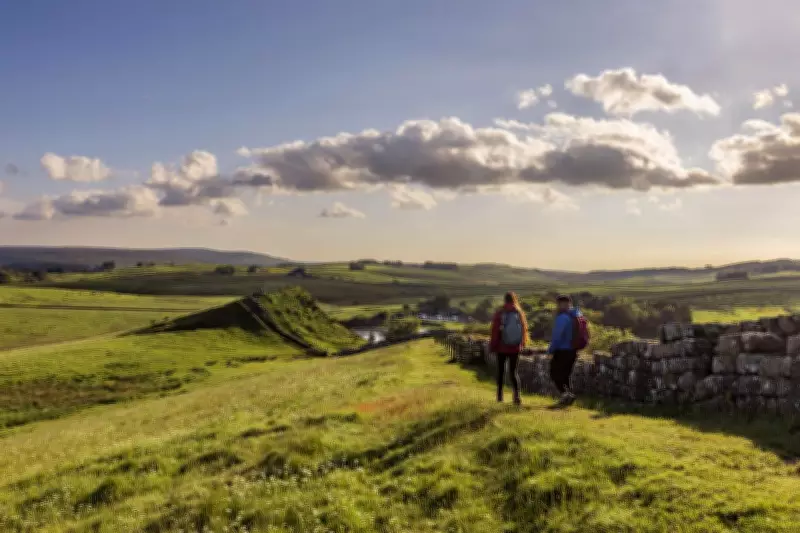
Driving through the park, you might be the only vehicle on bleak, windswept moors, or pass verdant, sheep-grazed pastures and pristine, forest-fringed lakes. The roads often meander over hilltops, past snaking dry stone farm walls, and across ancient bridges spanning rivers and streams. Within the park, you can explore Bronze Age burial sites and fragments of Hadrian's Wall, the north-west frontier of the Roman Empire for nearly 300 years.
By day, the park is thrilling, but it becomes even more magical in the evenings, especially during crisp, clear weather from September to April. With low levels of light pollution, Northumberland boasts the UK's largest Dark Sky Park. Thousands of stars are frequently visible to the naked eye, and powerful telescopes at astronomical hubs like the Kielder Observatory enhance the experience with engrossing stargazing sessions and expert talks on the universe.
The Towns and Villages: Charming Bases for Exploration
Northumberland may be remote, but it is not cut off from civilisation. Sprinkled with handsome market towns like Hexham and Haltwhistle, and cute fishing villages such as Amble and Alnmouth, it offers numerous spots to pull over for food, drink, and accommodation. Whether driving, hiking, or biking, you will find cosy cafes and tearooms, including one at Cragside House, a whimsical National Trust property that was the first house in the world lit by hydroelectricity.
For a taste of local heritage, visit Ad Gefrin, a museum and distillery that channels Northumberland's Anglo-Saxon heritage into its gins and whiskies. Accommodation options range from self-catering cottages and Airbnbs to spa hotels on grand country estates and centuries-old pubs with roaring fires. The Pheasant Inn, near Kielder Forest, offers modern rooms and Northumbrian ales, game, fish, and seafood.

Perhaps the most convenient base is Alnwick, where you can stay at the Bailiffgate Hotel, a stylish property opened last May next to Alnwick Castle, featured in Downton Abbey and Harry Potter movies. Some rooms overlook the castle battlements and parkland designed by landscape gardener Lancelot "Capability" Brown in the 1700s. Alnwick itself is a charming town with independent shops, restaurants, and pubs, and it is within a 30 to 45-minute drive of many highlights in this outstanding slice of England.
Steve McKenna was a guest of Visit Britain and Visit Northumberland, which did not influence this story or read it before publication. For more information, visit official tourism websites. Newcastle serves as a good hub to begin your trip, with direct flights from Dubai via Emirates and train connections from major British cities. Car hire is available at Newcastle central station, and accommodation options like The Pheasant Inn and Bailiffgate Hotel offer comfortable stays for exploring Northumberland's unspoiled beauty and rich history.