The global hierarchy of travel freedom for 2026 has been unveiled, with the latest Henley Passport Index providing a clear snapshot of which national documents offer their citizens the greatest access to the world. The annual ranking, a key benchmark for global mobility, lists countries based on the number of destinations their passport holders can enter without a prior visa.
Global Leaders and Notable Climbers
For 2026, the top of the list features a strong Asian and European presence. Singapore retains its crown as the world's most powerful passport, offering its citizens unmatched visa-free or visa-on-arrival access to a staggering number of countries. It is closely followed by perennial contenders Germany, Italy, and Spain, which share the second spot.
Japan, a long-time leader, now sits in third place alongside other major economies. The United Kingdom and the United States continue to hold strong positions within the top ten, though they have not reclaimed the number one spot they held a decade ago.
Australia's Position in the 2026 Ranking
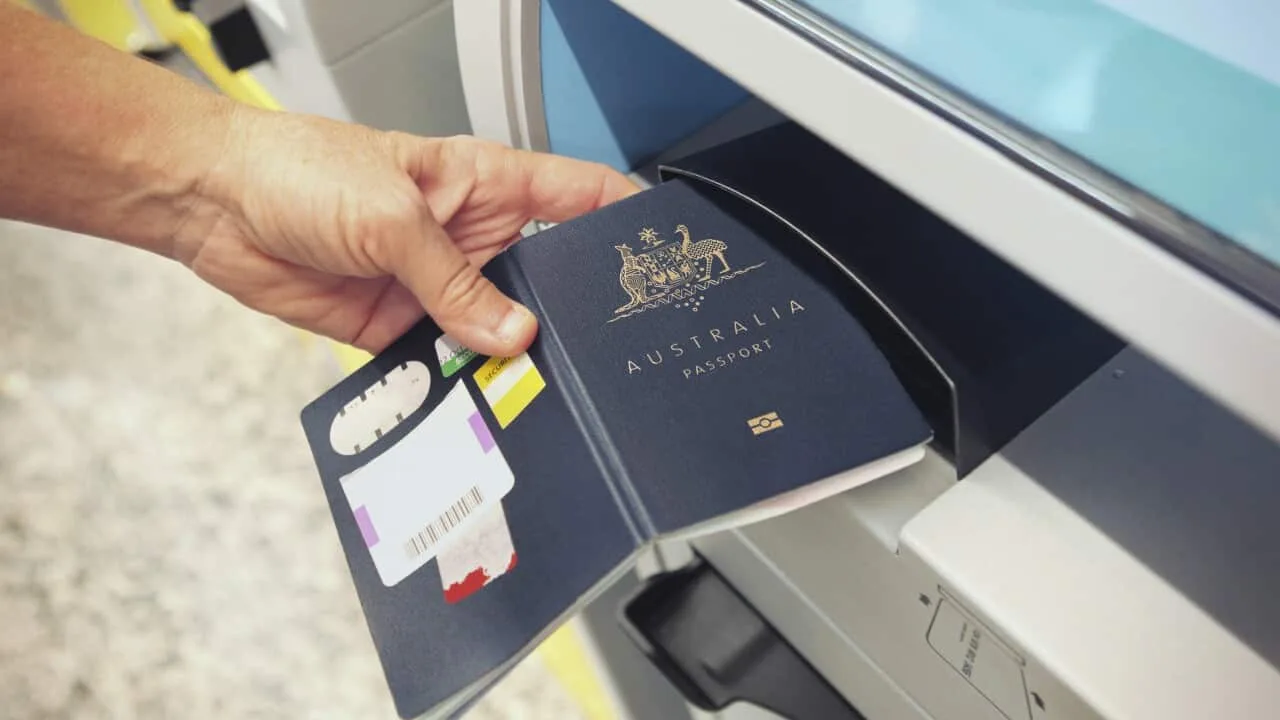
Australia has made a positive move in the 2026 index, climbing one place to secure a position in the global top ten. The Australian passport now provides visa-free access to over 180 destinations worldwide, reflecting the country's strong diplomatic relationships and international standing. This improvement offers Australian travellers and businesses slightly greater ease and flexibility for international trips.
The rise, while incremental, is a welcome development for citizens seeking leisure travel, educational opportunities, and global business engagements without the lengthy hurdle of visa applications for a vast majority of countries.
The Widening Global Mobility Gap
The 2026 index highlights a continuing and significant divide in travel freedom across the globe. While the top-ranked passports open doors to nearly 200 destinations, the passports at the bottom of the list allow for visa-free travel to fewer than 30 countries.
This gap underscores broader issues of global inequality and economic opportunity. A passport from a top-tier nation is a powerful tool for education, business expansion, and capital movement, whereas a restrictive passport can severely limit these avenues. Experts analysing the index point to this disparity as a key metric of geopolitical influence and economic stability.
The Henley Passport Index, updated quarterly, is based on exclusive data from the International Air Transport Association (IATA). It remains the most authoritative and widely referenced ranking of its kind, used by governments and multinational corporations to guide policy and strategic planning.