From Wheelbarrows to Wardrobes: The Rise of Pet Pampering in Modern Society
In recent years, the way Australians care for their pets has undergone a dramatic transformation. Gone are the days when a simple wheelbarrow or basic kennel sufficed for our furry companions. Today, pets are increasingly treated as family members, with owners investing in luxury items and services that rival those for humans. This shift reflects broader societal changes, including rising disposable incomes, smaller family sizes, and a growing emphasis on animal welfare.
The Evolution of Pet Care
Historically, pets were often kept for practical purposes, such as guarding property or hunting. However, as urbanisation and lifestyle changes took hold, their roles evolved into companions and emotional support animals. This evolution has paved the way for a booming pet industry, where spending on accessories, grooming, and healthcare has skyrocketed. In Australia, the pet care market is now worth billions of dollars annually, driven by demand for high-quality products.
Luxury Accessories and Services
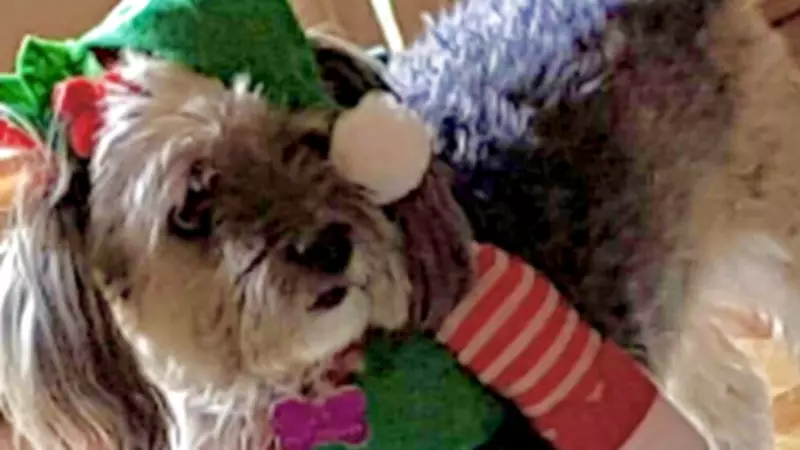
From designer wardrobes and custom-made beds to gourmet food and spa treatments, the range of luxury options for pets is expanding rapidly. Pet owners are splurging on items like:

- Fashionable clothing and accessories, including raincoats and booties.
- High-tech gadgets, such as GPS trackers and automated feeders.
- Specialised grooming services, offering everything from haircuts to massages.
This trend is not limited to dogs and cats; even smaller pets like rabbits and birds are benefiting from upscale care. The rise of social media has further fueled this phenomenon, with owners sharing photos of their pampered pets, creating a culture of comparison and aspiration.
Factors Driving the Trend
Several key factors contribute to the increasing pampering of pets. Firstly, demographic shifts, such as an ageing population and more people living alone, have led to pets becoming primary companions. Secondly, increased awareness of animal rights and welfare has encouraged owners to provide better living conditions. Additionally, the humanisation of pets—viewing them as equals—has normalised spending on luxury items. Economic factors also play a role, as higher incomes allow for discretionary spending on non-essentials.
Implications for Society
While pampering pets can enhance their well-being, it also raises questions about sustainability and priorities. Some critics argue that excessive spending on pets diverts resources from other important causes, such as human welfare or environmental conservation. However, proponents highlight the positive impacts, including improved mental health for owners and stronger bonds with animals. As this trend continues, it may influence policies on pet ownership, urban planning, and retail markets.
Looking Ahead
The future of pet pampering looks set to grow, with innovations in technology and services on the horizon. From smart collars that monitor health to eco-friendly products, the industry is adapting to consumer demands for convenience and sustainability. As Australians continue to embrace their pets as integral parts of the family, the line between human and animal care will likely blur further, shaping a new era of pet ownership.