Geelong Pet Owners Confront Registration Fee Surge During Economic Strain
Residents of Geelong are facing a significant financial burden as local authorities have implemented a rise in pet registration fees for cats and dogs. This increase comes at a challenging time when many households are already struggling with escalating living costs, sparking concerns among the community.
Details of the Fee Adjustment
The updated fee structure sees registration costs for desexed pets climb to $70, while non-desexed animals now require a payment of $210. This adjustment represents a notable uptick from previous rates, directly impacting pet owners across the region. The move is part of broader municipal efforts to manage resources, but it has drawn criticism for its timing amid economic hardships.
Community Reaction and Broader Implications
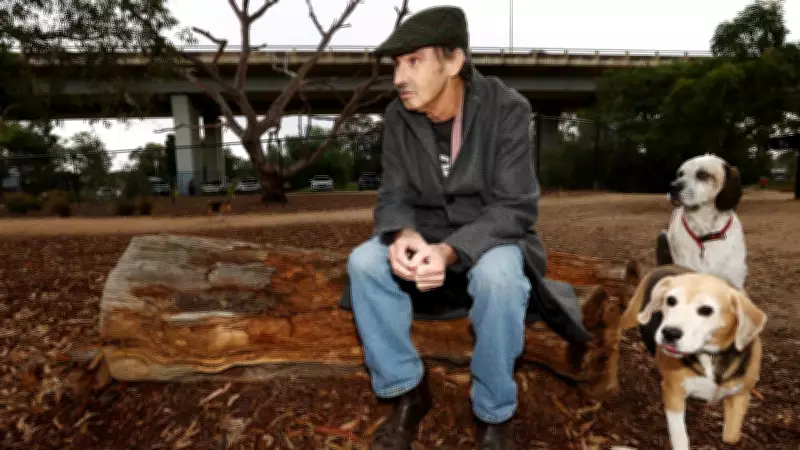
Local pet owners have expressed frustration, highlighting that the fee hike adds to existing pressures from rising utility bills, grocery prices, and housing expenses. Advocates argue that such increases could deter responsible pet ownership or lead to higher surrender rates at shelters, exacerbating animal welfare issues. The situation underscores the delicate balance between council funding needs and community affordability during a cost of living crisis.

Officials have defended the decision, citing necessary investments in animal management services, including microchipping, vaccination programs, and public safety initiatives. However, they acknowledge the broader economic context and are exploring potential support measures for low-income residents to mitigate the impact.
This development in Geelong reflects a wider trend across Australia, where local governments are reassessing fee structures in response to budgetary constraints, often placing additional strain on households. As discussions continue, the focus remains on finding sustainable solutions that support both municipal operations and community well-being.