A deadly and highly contagious virus is sweeping through the Illawarra's dog population, with veterinary clinics across the region racing to save infected animals and issuing urgent warnings to pet owners. The outbreak of canine parvovirus has already claimed the life of one puppy, and experts fear its impact could be felt for years due to the pathogen's stubborn persistence in the environment.
Virus Spreads Across Region, Puppy Euthanased
Confirmed cases of the devastating canine parvovirus have been reported in multiple suburbs across the Illawarra, including Warrawong, Figtree, Yallah, Dapto, and several northern suburbs. The situation turned tragic when a puppy treated at the Illawarra Animal Hospital in Figtree and Yallah had to be euthanased due to the severity of its infection.
The virus, which spreads through contact with infected faeces, poses a particular threat to young puppies and dogs that are not fully vaccinated. Once an area is contaminated, the hardy virus can survive in soil for an astonishing up to two years, resisting routine cleaning and weather changes.

Isolation and Intensive Care: A Fight for Life
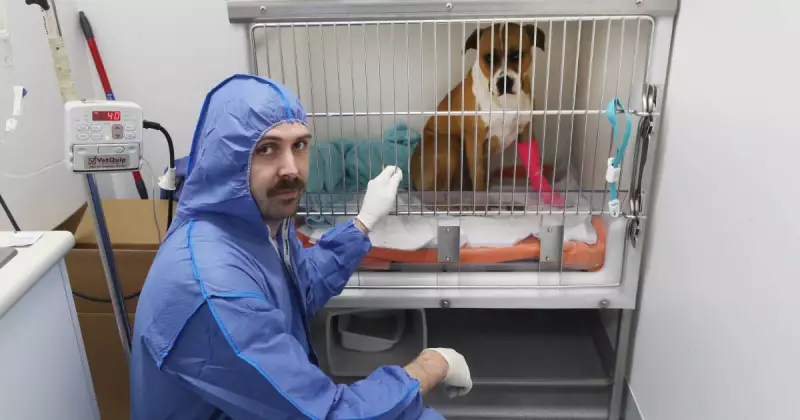
At the Companion Animal Veterinary Hospital in Kembla Grange, the grim reality of the outbreak is on full display. A one-year-old Staffordshire terrier-cross is currently in strict isolation, fighting for its life as veterinarians work tirelessly to provide treatment.
"It's horrific," said Dr Ben Trounson from Companion Animal Veterinary Hospital. The protocol is stringent: every time staff treat the sick dog, they must don full protective equipment to prevent the virus from spreading through the clinic.
Canine parvovirus attacks a dog's system on multiple fronts, destroying the lining of the small intestine and attacking the bone marrow. This leads to a cascade of severe symptoms: violent vomiting, bloody diarrhoea, extreme dehydration, shock, and often heart failure. "The only way to get fluid into them is through IV fluids," Dr Trounson explained, underscoring the critical need for immediate professional care.
How to Protect Your Dog: Vaccination is Key
Veterinarians across the Illawarra are united in their advice to dog owners. The most effective defence against this deadly outbreak is prevention through complete vaccination.
Dr Trounson issued a clear warning: dog owners should avoid socialising their puppies or unvaccinated dogs in public parks and shared areas until their vaccination course is fully complete. He also urged caution for those buying new puppies, advising them to ensure the animal has received at least its first vaccination.
The virus's method of spread adds to the danger. It can be easily transferred on a dog's paws, on people's shoes, and onto everyday items like bedding, leads, and collars. "If you've had a parvovirus case in your house, your backyard will be contaminated for two years," Dr Trounson stated, highlighting the long-term environmental threat.
Austinmer and Helensburgh Veterinary Hospital confirmed the virus's reach into the northern Illawarra, noting on social media that while most cases were in the south, they had been made aware of infections in the northern suburbs.
Dog owners must be vigilant for the key symptoms of parvovirus:
- Vomiting or diarrhoea (often containing blood)
- Loss of appetite
- Lethargy and profound weakness
If any of these signs appear, seeking immediate veterinary attention is crucial. Vets stress that while canine parvovirus is a dire threat to dogs, it cannot be transmitted from dogs to humans, as it is a different strain from the one that affects people.
The message from the frontline is clear: in the face of an outbreak that lingers in the environment, proactive vaccination and responsible pet ownership are the community's best weapons to safeguard Illawarra's dogs.