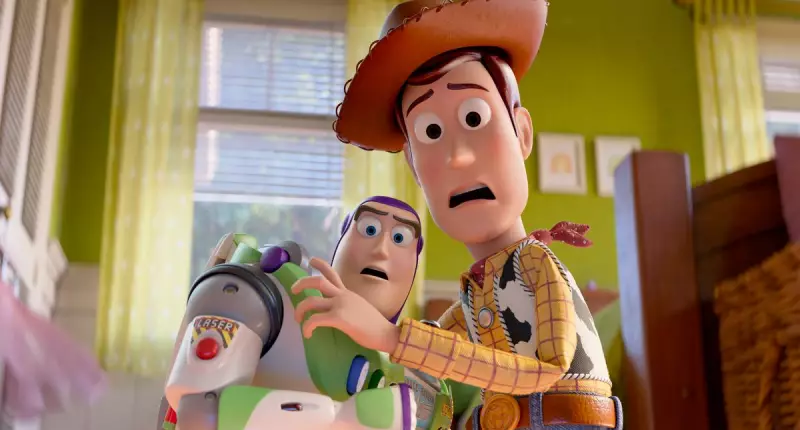
Australian parents are being urged to think twice before buying the latest high-tech educational toys, as experts raise serious concerns about privacy and data security. These interactive devices, often powered by artificial intelligence (AI), could be listening to and recording sensitive conversations within the home.
The Hidden Microphones in Children's Playthings
Many modern toys designed to educate and entertain children come equipped with sophisticated technology. They feature microphones, cameras, and internet connectivity that allow them to respond to a child's voice, answer questions, and even hold simple conversations. While marketed as tools to boost learning, their true cost may be your family's privacy.
According to commentary by James Birt, an associate professor of serious games and extended reality, these devices are essentially always-on listening devices placed in the heart of your home. The core issue is that the audio data they collect is often sent to cloud servers for processing. This means private family moments, discussions, and background noises could be recorded, stored, and analysed by third-party companies, often located overseas.

Birt highlights a particularly alarming scenario: a parent discussing sensitive financial information, medical issues, or relationship problems while the toy is in the room. The child might not even be actively playing with it, but its microphone could still be live, capturing every word.
How Data is Collected and Where It Goes
The privacy policies for these smart toys are frequently long, complex, and buried in fine print that most consumers do not read. By agreeing to the terms, parents may be unwittingly consenting to extensive data collection. This data can include:
- Voice recordings of your child and anyone else in the vicinity.
- Behavioural patterns based on how the child interacts with the toy.
- Personal information that might be shared during "conversations" with the AI.
This information is valuable. It can be used to refine AI algorithms, but it could also be sold to data brokers for targeted advertising or fall into the wrong hands through a data breach. The international nature of data storage complicates the issue further, as information may be subject to the privacy laws of other countries, not Australia's.
Protecting Your Family's Digital Privacy
So, what can Australian families do to mitigate these risks? Experts recommend a cautious and informed approach before bringing any connected device into your home.
First, research the toy's privacy policy and data practices before purchase. Look for clear information on what data is collected, where it is sent, and how long it is stored. Opt for products from companies with transparent and robust privacy commitments.
Second, manage the device's connectivity. Consider disabling its Wi-Fi or microphone when not in active, supervised use. Many devices have physical switches to turn off these functions. Keep the toy's software updated to ensure any security patches are applied.
Finally, have open conversations with children about digital privacy. Teach them that talking to a smart toy is not a private conversation and to avoid sharing personal details like their full name, address, or school.
The allure of educational AI is strong, promising personalised learning and engagement. However, the potential for these smart toys to become surveillance tools within Australian households is a real and present danger. Balancing technological benefits with the fundamental right to privacy is the new challenge for parents in the digital age.