Expert Home Design Tips to Brighten Your Living Space with More Natural Light
Enhancing the natural light in your home is a transformative design strategy that can create a brighter, more inviting atmosphere while boosting your overall well-being. With thoughtful planning and simple adjustments, you can maximize the flow of sunlight into your living areas, reducing the need for artificial lighting and potentially lowering energy costs. This guide offers practical tips to help you illuminate your home effectively.
Strategic Window Treatments and Placement
One of the most effective ways to brighten your home is by optimizing your window treatments. Consider using light-colored, sheer curtains or blinds that allow sunlight to filter through while maintaining privacy. Avoid heavy, dark drapes that block light, and instead, opt for materials like linen or cotton that diffuse light softly. Additionally, ensure that furniture placement does not obstruct windows; keeping areas near windows clear can significantly increase light penetration into rooms.
Reflective Surfaces and Color Schemes
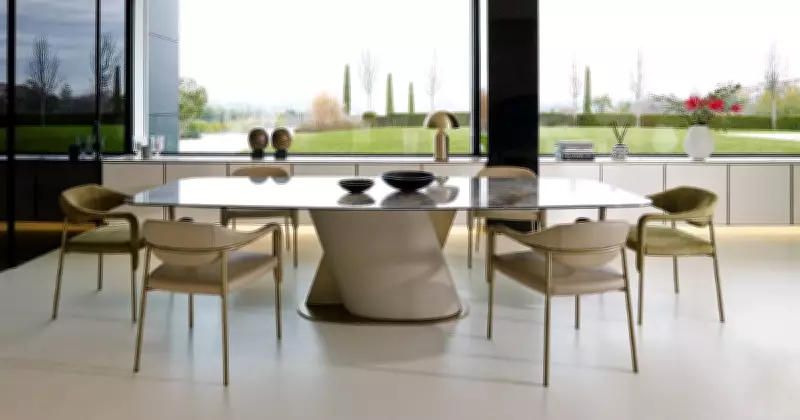
Incorporating reflective surfaces into your home design can amplify natural light. Mirrors strategically placed opposite windows can bounce light around a room, making it feel larger and brighter. Similarly, glossy finishes on floors, such as polished timber or tiles, can reflect sunlight effectively. When choosing color schemes, light hues like whites, creams, and pastels are ideal as they reflect rather than absorb light, enhancing the overall brightness of your space.

Decluttering and Space Optimization
Clutter can cast shadows and impede light flow, so maintaining a tidy environment is crucial for a brighter home. Regularly declutter surfaces near windows and in central areas to allow light to travel freely. Consider open shelving or minimalist furniture designs that do not create visual barriers. By optimizing your space, you not only improve light distribution but also create a more serene and organized living area.
Landscaping and External Factors
External factors play a significant role in how much natural light enters your home. Trim overgrown trees or shrubs near windows to prevent them from blocking sunlight. If possible, install skylights or light tubes in darker areas like hallways or bathrooms to introduce additional natural light. For those planning renovations, consider enlarging existing windows or adding new ones to maximize exposure to sunlight throughout the day.
Energy Efficiency and Well-being Benefits
Increasing natural light in your home offers numerous benefits beyond aesthetics. It can reduce reliance on artificial lighting, leading to lower electricity bills and a smaller carbon footprint. Moreover, exposure to natural light has been linked to improved mood, better sleep patterns, and enhanced productivity. By implementing these design tips, you can create a healthier, more sustainable living environment that brightens both your home and your daily life.