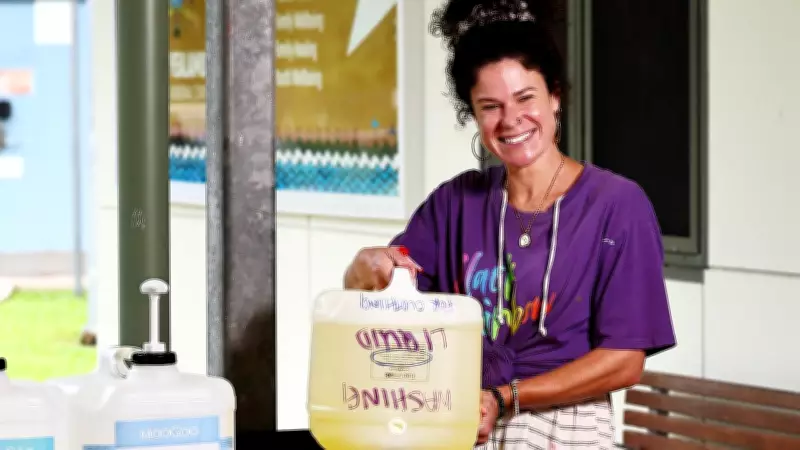
Yarrabah's Community Health Program Drives Major Reduction in Heart Disease Across Queensland
A groundbreaking health initiative in the Far North Queensland community of Yarrabah has played a pivotal role in slashing state-wide heart disease rates by an impressive 30 per cent. This remarkable achievement highlights the effectiveness of locally driven programs in tackling chronic health issues that disproportionately affect Indigenous and regional populations.
Local Action Yields State-Wide Impact
The program, which focuses on preventive measures and lifestyle changes, has been implemented through a collaborative effort between community leaders, healthcare providers, and government agencies. By addressing key risk factors such as smoking, poor diet, and physical inactivity, the initiative has not only improved health outcomes in Yarrabah but has also contributed to broader public health gains across Queensland.
Heart disease remains a leading cause of death in Australia, with Indigenous communities often facing higher rates due to socioeconomic disparities and limited access to healthcare services. The success in Yarrabah demonstrates that targeted, culturally appropriate interventions can make a significant difference in reducing these disparities.

Key Components of the Health Initiative
The Yarrabah program incorporates several evidence-based strategies to promote heart health:
- Regular health screenings to identify at-risk individuals early and provide timely interventions.
- Community education campaigns that raise awareness about heart disease prevention and healthy living.
- Access to nutritious food options and support for physical activity programs tailored to local needs.
- Partnerships with medical professionals to ensure ongoing care and follow-up for participants.
These efforts have been credited with not only lowering heart disease rates but also fostering a greater sense of community well-being and empowerment.
Broader Implications for Public Health Policy
The 30 per cent reduction in heart disease rates observed in Queensland serves as a powerful case study for other regions grappling with similar health challenges. It underscores the importance of investing in community-led solutions that are responsive to local contexts and cultural sensitivities.
Health experts are now calling for the expansion of such programs to other parts of the state and country, arguing that the Yarrabah model could be adapted to address other chronic conditions like diabetes and obesity. The initiative's success also highlights the need for sustained funding and policy support to ensure long-term health improvements.
As Queensland continues to build on this progress, the Yarrabah community stands as a testament to what can be achieved when health initiatives are rooted in local knowledge and collaboration.