Immunotherapy Wonder Drug Saves Life of Newcastle Woman with Stage-Four Cancer
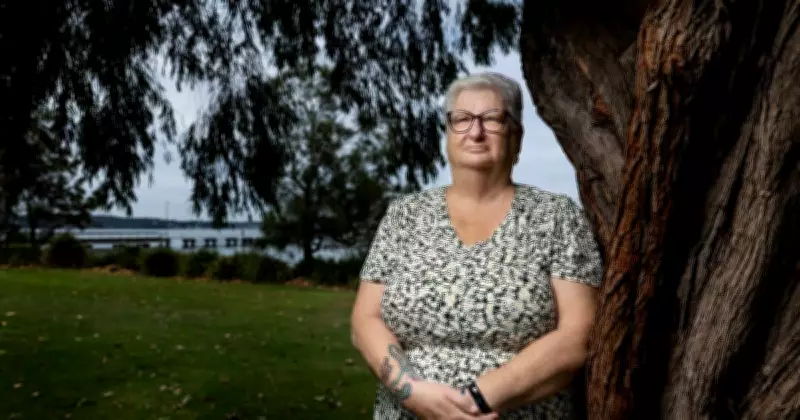
Sue Rishman, a 70-year-old resident of Teralba and dedicated SES volunteer, attributes her survival from stage-four kidney cancer to a groundbreaking immunotherapy drug that dramatically shrank and stabilised tumours throughout her body. Diagnosed with cancer that had aggressively spread to her lungs and heart, Sue was among the pioneering patients at Calvary Mater Newcastle to receive nivolumab, a treatment she credits with saving her life.
A Timely Medical Breakthrough
Dr James Lynam, a senior medical oncologist at the Mater and chair of the Medical Oncology Group of Australia, highlighted the significance of Sue's case. "Sue is a great example of where these drugs work really well," he said. "She was in the right place at the right time. It just so happened the drug came on the Pharmaceutical Benefits Scheme (PBS) for kidney cancer exactly when she needed it." This occurred in early 2017, following the initial discovery of a small tumour on Sue's kidney during her birthday the previous year, which had grown drastically within a month.
After undergoing surgery at John Hunter Hospital in October 2016 to remove her kidney, Sue began immunotherapy treatment in February 2017. She continued this regimen for six years, concluding in November 2022. Initially, her scans and blood tests were conducted monthly, later transitioning to every three months, and are now performed every six months. "With this surveillance, there's been no change. I still have spots of cancer, but they're dormant," Sue explained, expressing gratitude for the ongoing monitoring that ensures her health remains stable.

Government Support and Expanded Access
In a recent development, the Albanese government has added nivolumab and another immunotherapy drug, ipilimumab, to the PBS for multiple cancers, broadening access to these life-saving treatments. Sue welcomed this move, stating, "It's exciting to think others will benefit as much as I have." However, Dr Lynam cautioned that while these drugs represent a major advancement, they are not without risks. "This is very significant, but these drugs aren't without their risks. There are definitely some cancers where these drugs don't work and can cause more harm than benefit," he noted, emphasising the potential for serious, life-changing side effects that are unpredictable in occurrence.
The Role of Support and Personal Resilience
Sue emphasised that her recovery was bolstered by the unwavering support of family and friends, alongside expert medical care. "I needed that because the treatment was quite taxing. You do have good days and bad days. Fatigue was the only side effect I had," she recalled. Dr Lynam echoed this sentiment, stressing the holistic approach to cancer treatment. "We don't treat cancer, we treat a person with cancer. We can tell you if a drug works because we've done clinical trials. We have no clinical trials about positive mental attitude or family support, but we know anecdotally it works and it helps," he said.
Reflecting on the evolution of cancer care, Dr Lynam highlighted the transformative impact of immunotherapy, which has been used in clinical trials for about a decade. "Before immunotherapy, we would talk about miracles. People with stage-four disease had incurable cancer. But we had people whose cancer would regress when it didn't have any reason to. We now can look back and say that was probably related to the immune system's interaction with the cancer," he explained, noting that such treatments have led to more patients becoming long-term survivors.
As Sue continues her journey with regular check-ups, her story serves as a powerful testament to the advancements in medical science and the critical importance of timely access to innovative therapies. With the expanded PBS listing, more Australians battling cancer may now have the opportunity to experience similar life-saving outcomes, marking a hopeful chapter in the ongoing fight against this devastating disease.