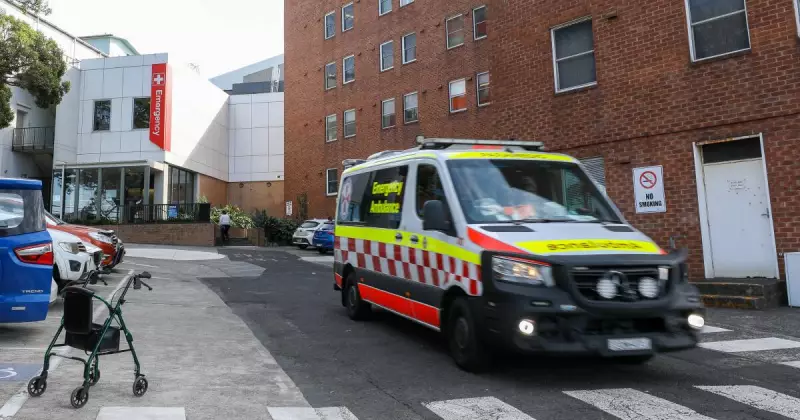
Wollongong Hospital's emergency department has reached a breaking point, with management declaring a state of 'critical compromise' and issuing urgent warnings to staff to discharge at least 80 patients in a single day.
Inside the 'Critical Compromise' Alert
On Friday, November 28, 2025, staff at the Illawarra's largest hospital received a dire message from management. The hospital was operating under a level 2 'critical compromise' within its demand escalation framework. The immediate goal was to free up beds by discharging a minimum of 80 patients, as more than 50 people were stuck in the emergency department waiting for a ward bed.
A hospital insider, who spoke anonymously for fear of job loss, described the atmosphere as one of frozen panic. "Each time these messages go out, staff freeze," they said. "We are already pumping out people and trying to expedite discharges." The pressure, they warned, leads to rushed and sometimes 'half-cooked discharge plans' where patients are sent home before they are truly ready.

A System Under Immense Strain
The crisis is not an isolated event but a symptom of chronic systemic issues. The insider pointed to a severe lack of both staff and physical beds, creating dangerous bottlenecks. Patients with life-threatening conditions like sepsis have been forced to wait in the ED for over 27 hours for a bed. In another case, an "exceptionally immunocompromised" individual was told to sit in the general waiting room, risking exposure to other illnesses.
"When you have more than 50 people who are taking up a bed because they've been admitted, but they can't go back up to the wards, it means that there's no places to really assess new patients," the staffer explained. The ED's capacity—including four resuscitation beds, 30 acute beds, and nine paediatric beds—is consistently overwhelmed.
Unsafe Workloads and a 'Moral Injury'
The strain extends far beyond patient waiting times to the wellbeing and capacity of healthcare workers. Junior medical officers (JMOs) and registrars are sometimes tasked with managing up to 30 general medicine patients at once. "That is simply not a safe workload," the insider stated. "Things will be missed."
Staff are regularly asked to fill gaps across multiple departments, including obstetrics and gastroenterology, and are working massive amounts of unpaid overtime—with one doctor reportedly working 40 hours of overtime in a fortnight. This reliance on goodwill is unsustainable, leading to burnout and an exodus of experienced staff. "We all want to do our best... but it is so demoralising and depressing when you simply don't have the hours in the day or the resources to do that," the insider said, describing the situation as causing profound "moral injury."
In a statement, a spokeswoman for the Illawarra Shoalhaven Local Health District said the critical compromise was triggered by a higher number of complex cases and that the escalation framework ensures safe patient care is prioritised. She added that emergency presentations are monitored around the clock with contingencies put in place to support frontline teams.
NSW Health Minister Ryan Park has acknowledged the broader pressure, citing a prolonged flu season that is adding to ED delays across the state. In the week ending November 16, more than 370 people presented to NSW EDs with influenza-like illnesses. The minister also warned earlier this year that the number of patients stuck in local hospitals waiting for aged care or NDIS placements has grown by almost 25 per cent in one year, exacerbating the bed block crisis.
The health district urges anyone with a non-life-threatening illness or injury to call Healthdirect on 1800 022 222 for 24-hour advice, in an effort to alleviate pressure on the emergency department.