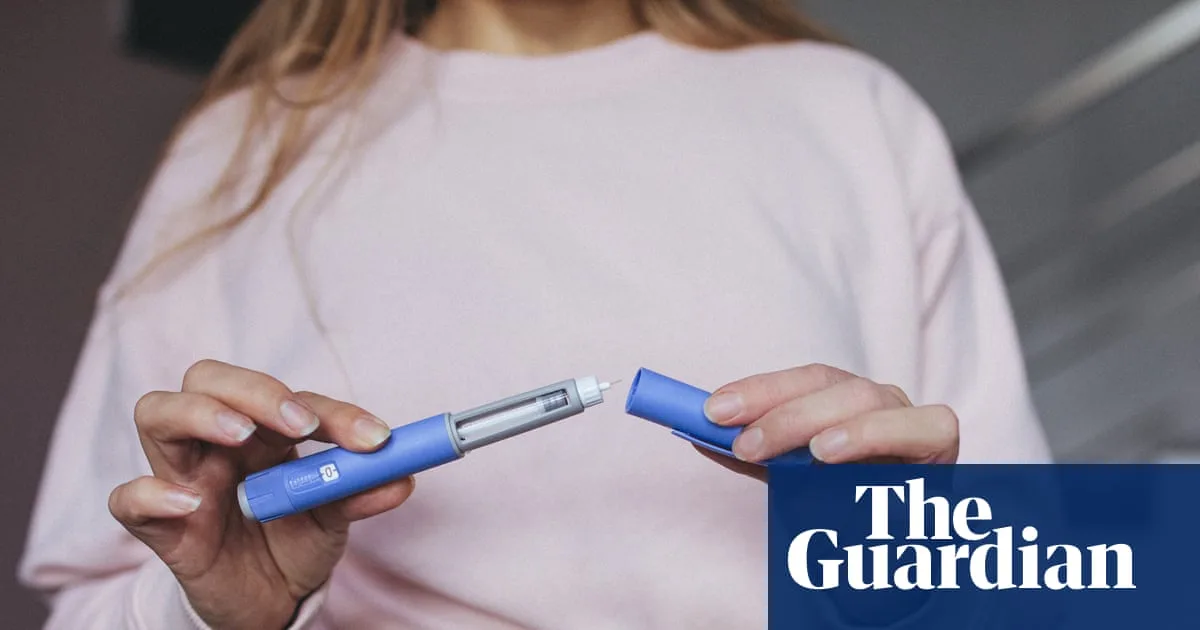
Study: Hollywood Weight-Loss Drugs Lead to Rapid Weight Regain After Stopping
Weight Loss Drug Study Shows Rapid Regain After Stopping

Australians using popular Hollywood-endorsed weight loss medications should be prepared for a long-term commitment, as a major new study reveals the pounds are likely to pile back on soon after stopping treatment.

The Rebound Effect of GLP-1 Medications

Research published in the prestigious journal Diabetes, Obesity and Metabolism has delivered a sobering reality check for users of drugs like semaglutide, sold under brand names including Ozempic and Wegovy. The analysis found that the majority of weight lost while on these medications is regained within two years of ceasing the weekly injections.

The study, led by a team from the University of Liverpool, reviewed data from previous trials involving the GLP-1 receptor agonist drugs. These medications work by mimicking a hormone that regulates appetite and insulin secretion. While they have proven highly effective for weight reduction during use, the new findings highlight a significant challenge: maintaining the results.

A Cycle of Loss and Regain

Professor John Wilding, who heads the department of obesity and endocrinology at the University of Liverpool, explained the body's response. "When you stop the drug, you lose that help," he stated. The research indicates that patients typically regain most, if not all, of the lost weight within one to two years after their final dose.

This pattern suggests that for many individuals, these treatments may need to be continued indefinitely to sustain the benefits, much like medication for chronic conditions such as high blood pressure. The study's authors concluded that obesity should be viewed as a long-term condition requiring ongoing management, rather than a short-term issue with a one-off fix.

Implications for Australian Patients and Prescribers

The findings have direct relevance for Australia, where the demand for these drugs has surged, leading to periodic shortages for diabetic patients who rely on them. The Therapeutic Goods Administration (TGA) has listed semaglutide (Ozempic) as being in shortage until at least late December 2024.

Medical professionals are now urged to have frank conversations with patients about the long-term implications. The research underscores that these medications are not a magic bullet but a tool that requires sustained use alongside permanent lifestyle changes in diet and exercise to be effective over a lifetime.

Experts warn that the cycle of rapid weight loss followed by rapid regain—sometimes called "yo-yoing"—can be detrimental to both physical and mental health. It can negatively impact metabolism and muscle mass, and lead to frustration and a sense of failure.

The study reinforces the need for a comprehensive, multi-faceted approach to weight management in Australia, where obesity rates remain a significant public health concern. It places greater emphasis on the role of continuous medical supervision, nutritional education, and behavioural support for anyone embarking on treatment with these powerful but temporary pharmaceutical aids.