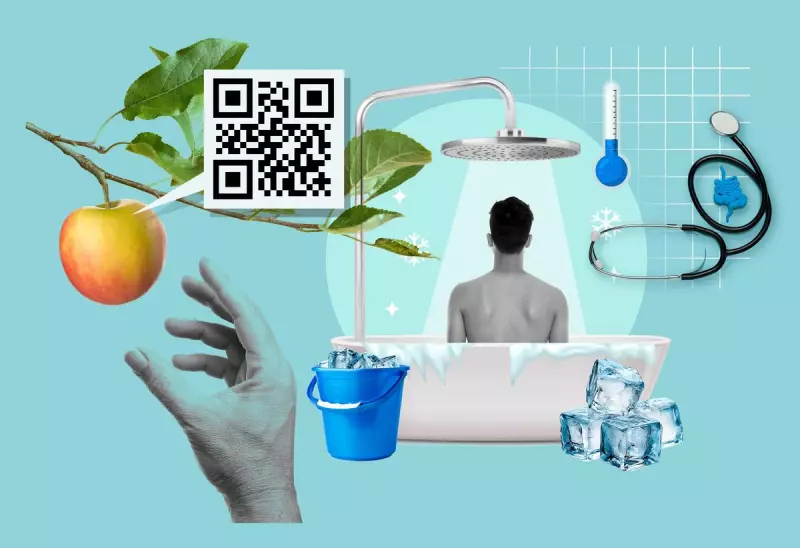
Australians are set to embrace a more balanced and intuitive approach to wellbeing in 2026, moving away from relentless self-optimisation towards practices that foster community, connection, and preventative care. This shift is highlighted in a major trends report, pinpointing the resurgence of ancient therapies, a deeper focus on gut science, and a demand for radical transparency in what we consume.
The Rise of Contrast Therapy and Community Connection
Contrast therapy, the practice of alternating between hot and cold treatments, is experiencing a modern renaissance across Australia. Far from being a fringe activity, it's becoming a community hub. In Perth, entrepreneur Pete Carbone witnessed this firsthand. Starting with a single ice bath in a gym storage room over five years ago to help a friend's mental health, he has since built Reclab in Wembley, a full-scale recovery studio.
"Some were coming for physical recovery, some for mental health issues, and they were leaving with smiles on their faces," Carbone recalled. His centre now features hot and cold plunge pools, a Finnish sauna, steam room, IV drips, and red light therapy. For Carbone, the unexpected social benefit is paramount. He notes that the shared experience of the baths creates a unique bond between people of all ages and backgrounds, from teenagers to septuagenarians and AFL players.

This trend reflects a broader industry shift identified by The Future Laboratory. Their senior foresight analyst, Alice Crossley, states the focus is moving "from performance to presence," prioritising empathy and community. Brands that acknowledge life often takes precedence over peak performance will resonate most strongly in the coming year.
Gut Health: Unlocking the 'Second Brain'
Scientific understanding of the gut microbiome is transforming it into a central pillar of wellness. Often called the body's second brain, its influence on both mental and physical health is profound. At Perth's Edith Cowan University, researchers are delving into the complex links between gut bacteria, diet, and disease.
Professor of Public Health and Nutrition, Amanda Devine, points to Australia's reliance on highly processed foods as a major culprit for poor gut health. "A lot of people don't eat enough vegetables and whole grains," she explained, adding that high-protein diets often remove foods critical for nourishing the microbiome.
To address this, Professor Devine and Associate Professor Claus Christophersen have developed UrGut, a dietary fibre powder rich in resistant starch. With around 80% of adults not meeting recommended resistant starch intake, the product offers a simple solution. Clinical trials have shown it can improve gut and mental health outcomes, particularly for those with irritable bowel syndrome. "Seventy per cent of your immune system sits around the gut," Professor Christophersen emphasised, highlighting its systemic importance.
Tech Traceability and Smarter Wearables
Consumer demand for honesty is fuelling a boom in food and drink traceability. It's no longer enough to know what's in a product; Australians want to know its entire journey. Perth brothers Rhys and James Williamson of Orijin Plus are at the forefront, providing digital tools that let brands connect directly with consumers via QR codes on packaging.
"When you can show people the journey your product took, from the farm to their table, it builds a kind of trust that’s hard to get any other way," James Williamson said. This transparency combats misleading wellness claims and aligns with values around sustainability and ethical sourcing.
Meanwhile, wearable technology is evolving beyond step counts. The Future Laboratory predicts a move towards "preventative presence" with passive, always-on devices. AI-led advancements now allow monitoring of blood pressure, glucose, brain waves, and organ function, shifting the focus from tracking to predicting and preventing illness. As report author Cayla McAvoy notes, the key for 2026 is teaching people how to use this data to support lasting behaviour change.

The wellness landscape of 2026, therefore, combines cutting-edge science with ancient wisdom and a strong dose of community spirit, marking a holistic turn for health-conscious Australians.