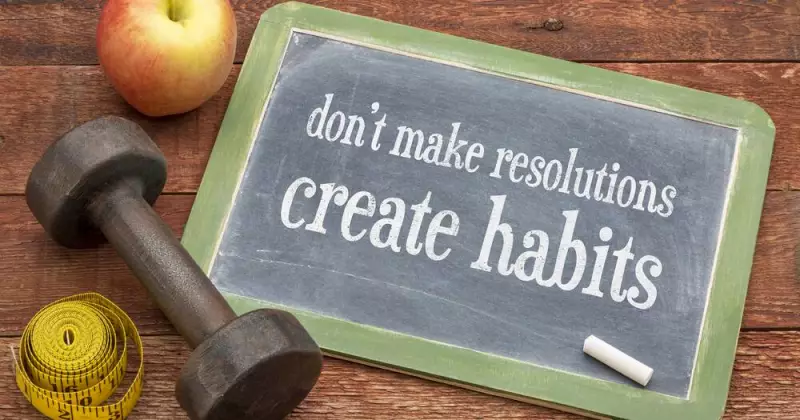
We've all been there. A new week begins with the best intentions: a promise to eat better, a plan to exercise more. Yet by Friday, those resolutions often dissolve, leaving us back on the couch with familiar comforts. Changing ingrained behaviours is notoriously tough, even when we consciously know better.
The Conscious vs. Subconscious Battle
A key to understanding this struggle lies in the dynamic between our conscious and subconscious minds. Making deliberate decisions is a costly process for the brain, requiring significant time and energy. Habits act as efficient mental shortcuts, allowing the subconscious to handle routine tasks based on the reasonable assumption that what worked yesterday will likely work today.
This system is generally effective, freeing up our conscious "boss" mind for more complex problems. However, the downside emerges when these automated routines become dysfunctional or unhealthy. Modern neuroscience, using tools like MRI scans, has pinpointed the brain regions involved. The prefrontal cortex drives purposeful behaviour, while the putamen is crucial for unconscious learning and habit formation.

Building New Neural Pathways
Forming a new habit starts with conscious, deliberate effort. Through consistent repetition, the behaviour gradually shifts from being effortful to becoming more automatic. Research trials observing participants as they develop habits have shown this transition in real-time brain activity.
Yet, repetition alone isn't enough. For a habit to stick, it often needs a clear trigger or cue. This could be a specific time of day, like walking the dog right after breakfast, or an existing routine, like your morning coffee. If a current cue leads to a negative habit—such as smoking with that coffee—strategies involve replacing the response with a less harmful alternative.
Other proven techniques for habit change include:
- Creating a detailed personal plan.
- Maintaining a diary to track progress and setbacks.
- Reconfiguring the circumstances linked to a bad habit into something positive.
The Timeline for Change
How long does it truly take to change a habit? The answer varies significantly based on the behaviour's complexity. Research indicates that altering a simple handwashing routine might take only a few weeks. In contrast, establishing a consistent gym habit can require two to three months of sustained effort.
On average, a comprehensive study found that successfully changing a habit takes approximately 66 days. This figure serves as a realistic benchmark for anyone embarking on a self-improvement journey, emphasising the need for patience and persistence beyond the initial burst of motivation.
As 2026 approaches, the tradition of New Year's resolutions comes into focus. Interestingly, an Australian survey revealed that "no resolution" was the fourth most popular choice among respondents, highlighting a collective wariness of setting oneself up for failure.
The advice from experts is to be realistic and kind to yourself. Understanding the subconscious machinery behind your habits is the first powerful step toward steering it. The journey is less about willpower alone and more about strategically working with your brain's innate wiring.
The Fuzzy Logic Science Show airs at 11am on Sundays via 2xx 98.3FM. Questions can be sent to AskFuzzy@Zoho.com; Podcast available at FuzzyLogicOn2xx.Podbean.com.