Health authorities in Sydney have issued an urgent public health warning as the number of confirmed measles cases in the city rises to eleven. This concerning development comes after two new infections were identified, with one of these cases acquired locally within Sydney.
Growing Concern Over Measles Transmission
The New South Wales Health department confirmed the two additional cases on Wednesday, bringing the total number of infections in Sydney to eleven since December last year. This recent spike has prompted serious concern among health officials, particularly as one of the new cases was transmitted locally from a known case earlier this month.
The other newly confirmed case recently returned from South-East Asia, highlighting the ongoing risk of imported infections as travellers return from overseas holidays. NSW Health has explicitly stated that additional cases may be identified as people continue to return from international travel.

High-Risk Locations Identified
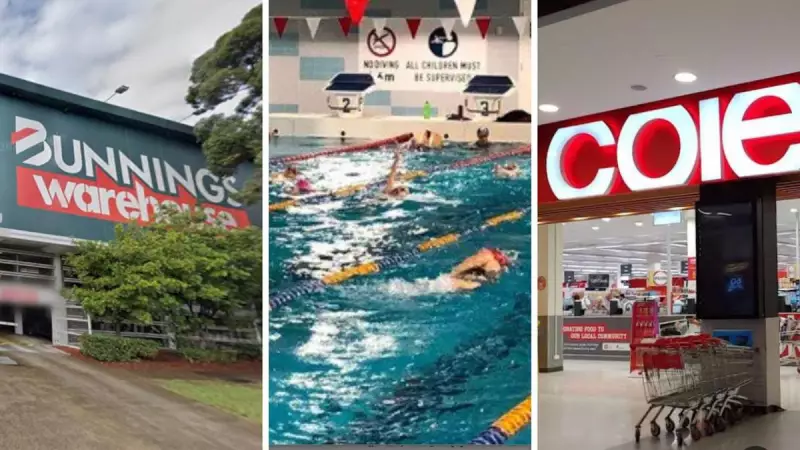
Health authorities have released an extensive list of locations visited by infected individuals, urging residents and visitors to check whether they attended these venues during specific timeframes. The latest alert includes several popular Sydney destinations that were visited by infectious cases since Saturday.
Among the locations of concern are:
- Coles supermarkets
- Bunnings Warehouse stores
- Constant Reader bookshop
- Baker's Delight outlets
- Mosman Swim Centre
- Carriageworks Farmers Markets
These locations join healthcare facilities and other public spaces that have been identified as potential exposure sites in recent weeks. NSW Health has emphasised that while these locations do not pose an ongoing risk, anyone who was present during the specified times should monitor themselves closely for symptoms.
Understanding Measles Symptoms and Transmission
Measles is a highly contagious viral disease that spreads through the air when an infected person coughs or sneezes. The illness can sometimes lead to serious complications, making early detection and prevention crucial.
Dr Christine Selvey, NSW Health's executive director of health protection, has outlined the specific symptoms that people should watch for: "Symptoms to watch out for include fever, runny nose, sore eyes and a cough, usually followed three or four days later by a red, blotchy rash that spreads from the head to the rest of the body."
With school holidays in New South Wales coming to an end in just over a week, parents are being particularly urged to remain vigilant for any symptoms exhibited by their children. The timing of this alert adds urgency to the situation as children return to school environments where diseases can spread more easily.
Vaccination Remains Critical Protection
Health authorities have strongly emphasised that measles is a vaccine-preventable disease. Dr Selvey has reminded the community: "We want to remind the community to make sure they are up to date with their vaccinations. The measles vaccine can prevent the disease even after exposure, if given early enough."
Specific vaccination guidelines have been reiterated:
- Anyone born after 1965 needs to ensure they have received two doses of measles vaccine
- The measles-mumps-rubella (MMR) vaccine is provided free for children at 12 and 18 months of age
- In New South Wales, the vaccine is also free for anyone born after 1965 who hasn't already had two doses
Vaccination is especially important before overseas travel, as measles outbreaks are currently occurring in several regions around the world. Since measles is not endemic in Australia, most cases are imported by travellers returning from countries where the disease remains more prevalent.
Public Health Recommendations
NSW Health has issued clear instructions for anyone who may have been exposed to measles. If symptoms develop and you've been at one of the identified locations during the specified timeframes, you should see your doctor or visit a health service, including an emergency department.
Critical advice includes:

- Call ahead to inform healthcare providers that you may have been exposed to measles
- This precaution helps prevent spending time in waiting rooms with other patients
- Monitor closely for symptoms if you were at any identified location during the relevant periods
The situation in Sydney serves as a timely reminder of the importance of vaccination and public health vigilance. As international travel continues and people move through shared public spaces, maintaining up-to-date immunisations remains the most effective defence against preventable diseases like measles.