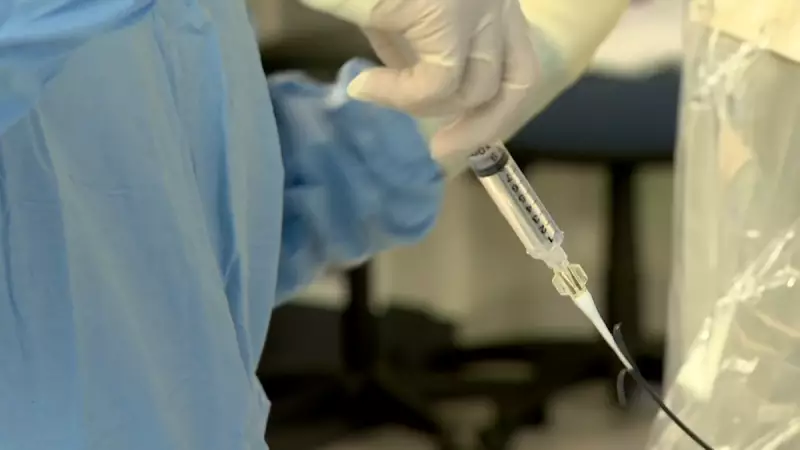
A landmark national investigation has exposed a devastating toll of preventable deaths in Australian hospitals, directly linked to human error and systemic failures in patient care.
Audit Uncovers Shocking Scale of Preventable Harm
The comprehensive audit, conducted by the Royal Australasian College of Surgeons, analysed patient outcomes over a seven-year period from 2012 to 2019. It found that more than 30,000 people died under surgical care either before, during or after their operations.
In a deeply concerning finding, the report flagged serious concerns about patient management in 12 per cent of these cases, equating to more than 3,500 deaths. The analysis identified that half of these serious cases involved critical failures in non-technical skills.

These failures included medical staff missing crucial warning signs, not ordering important diagnostic tests, and delaying vital decisions until it was too late to intervene effectively.
Systemic Failures in Emergency Care and Communication
Professor Guy Maddern from the University of Adelaide, a lead figure in the study, highlighted that managing emergency patients under pressure was a particular weak spot. "This is often a problem managing particularly emergency patients where decisions are having to be made under relatively tight timelines," Professor Maddern explained.
The report singled out the transfer of patients between hospitals as an especially dangerous point in the care journey. "The information is not always well transmitted from the referring hospital to the receiving hospital and these are certainly areas where communication breakdown can occur," Maddern continued. This breakdown in handover processes can leave receiving teams without the full picture of a patient's condition.
Families Left Seeking Answers as Legal Demand Soars
For the families left behind, the aftermath is often marked by confusion and a search for answers. This tragedy is reflected in a significant rise in demand for medical negligence legal services across Australia.
Tim Cummings, a lawyer from the firm Slater and Gordon, reported a sharp increase in inquiries. "We're certainly busier than we have ever been before. So many people contact us to understand what happened to their loved one," Cummings said. Successful claims for these failures can result in compensation payouts reaching into the millions of dollars.
Professor Maddern argues that the core issue is not necessarily a simple lack of staff, but a profound lack of oversight and support within existing systems. He asserts that a nationwide overhaul in how surgical teams are trained and mentored is now critical to saving lives.
"We believe the solution is potentially through coaching and better feedback to surgical teams so that appropriate action and oversight can occur," Maddern stated. This points to a need for a cultural and structural shift towards continuous learning and proactive safety monitoring, rather than blaming individuals.