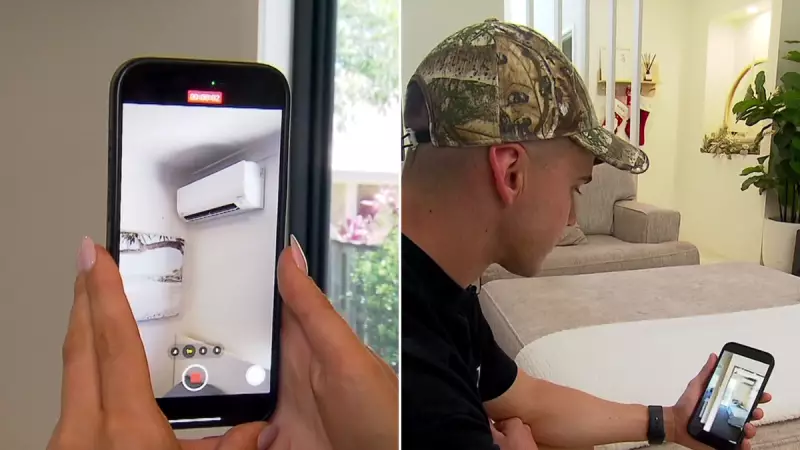
Securing a rental property in Australia has become a high-stakes competition, with open homes often drawing crowds of desperate applicants. For many, simply attending an inspection is a significant hurdle, leading to the rapid growth of a novel solution: paying someone else to go for you.
The Impossible Search for FIFO Workers and Time-Poor Renters
Fly-in, fly-out (FIFO) worker Jaeden Cooper experienced the frustration firsthand. His work schedule made attending inspections nearly impossible, leading to multiple missed opportunities. "I struggled to make it to inspections while I was away on site," he explained. His solution was to turn to a burgeoning new service: hiring a verified stranger to be his eyes and ears at the property viewing.
"It was super easy and really affordable," Cooper said. "It actually saved me a lot of stress." His experience highlights a growing trend where time-poor, remote, or simply overwhelmed renters are outsourcing the initial legwork in their property search.

How the Paid Inspection Economy Works
Platforms like WeView are capitalising on this need by connecting prospective tenants with local viewers. These viewers conduct a detailed walk-through of the property on the renter's behalf, often providing a more realistic assessment than glossy agent photos.
"It gives you a really, really unbiased view of the property," said WeView founder Sabrina Thompson. The service costs $69 per inspection, with the on-the-ground viewer receiving $50 of that fee. The model has created a viable side hustle for locals, as no prior real estate experience is required to sign up as a viewer.
A Clash of Perspectives: Convenience vs. Commitment
While there are no laws prohibiting someone from sending a representative to an inspection, real estate professionals urge caution. Agents argue that physically stepping inside a property yourself is irreplaceable for spotting potential issues early and avoiding future disputes.
"It's fair to say that most property managers do have a preference for people visiting the property themselves before committing to rent it," stated Antonia Mercorella, CEO of the Real Estate Institute of Queensland (REIQ). This traditional view emphasises direct personal assessment.
However, Sabrina Thompson from WeView challenges this notion, framing the use of her service as a sign of serious intent. "It definitely shows that they're committed if they're paying somebody to view the property," she argued. This perspective suggests that financial investment in the inspection process demonstrates a renter's genuine interest, even if they cannot be there in person.
The rise of paid inspection services underscores the extreme pressures within Australia's rental landscape. It offers a pragmatic, if unconventional, workaround for those locked out of the traditional process, while simultaneously creating new micro-economies. As the market remains tight, such innovative—and sometimes controversial—solutions are likely to become more commonplace.