Adelaide Grandmother's Corridor Death Intensifies Fears Over SA Hospital System
The shocking death of Adelaide grandmother Helen Sargent has dramatically heightened concerns that South Australia's already overcrowded hospitals could face catastrophic pressure as the winter flu season approaches. Opposition figures warn that scenes unfolding overseas, including UK hospitals so overwhelmed that patients are being examined in toilets, could soon become a grim reality in Australian healthcare facilities.
System Already at Breaking Point
Adelaide's major hospitals are currently operating at full capacity, with experts warning the system lacks the resilience to handle the expected surge in flu cases. Shadow Health Minister Heidi Girolamo described the current situation as dire, stating that patients are already waiting on emergency department floors, in ambulance bays, or hospital corridors due to bed shortages.
Opposition Leader Ashton Hurn argued the situation sends a bleak signal about what winter could bring and demonstrates the urgent need for systemic change in healthcare management.

Tragic Case Highlights Systemic Failures
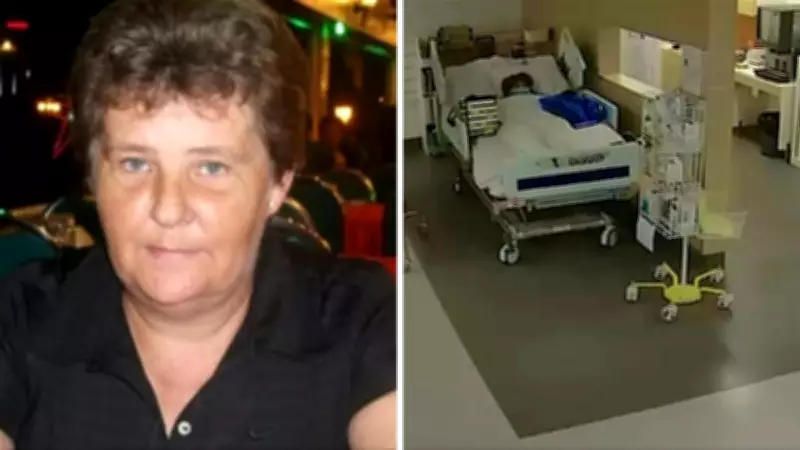
The death of 64-year-old Helen Sargent at the Royal Adelaide Hospital has become a focal point for calls to address hospital overcrowding. Sargent, from Kilburn, was admitted with breathing difficulties in October and placed in a corridor outside a kitchen because no treatment rooms were available.
She was left alone for nearly an hour without access to an emergency buzzer. When medical staff returned, she was unresponsive and could not be revived. In a particularly heartbreaking detail, hospital records indicate staff attempted to move her bed into the CPR position but discovered it wasn't connected to power.
Sargent was only moved into a proper room after she had died, a fact that has devastated both her family and hospital staff. The incident left workers so distressed they were sent home, with one staff member writing just three words in clinical notes: "The system stinks."
Family Speaks Out About Institutional Failure
Sargent's sons have spoken publicly about their mother's treatment, describing it as a complete system failure. Damien Sargent expressed outrage that his mother "has been treated like a piece of rubbish," while Simon Sargent stated unequivocally that "my mother should have lived that day but, through the hospital's action, she's now no longer with us."
Both brothers emphasized they wouldn't want anyone else to experience similar neglect within the healthcare system.
Government Response and Political Debate
Health Minister Chris Picton maintains the government is actively strengthening the healthcare system ahead of winter through bed capacity expansion and additional hiring of nurses and doctors. However, he has accused opposition parties of making what he calls "reckless" financial promises totaling $4.8 billion that would allegedly require massive cuts to healthcare services.
Medical professionals working within the system report conditions are deteriorating. Royal Adelaide and Queen Elizabeth Hospital doctor Dan Haustead told media the situation is "getting worse" rather than improving, despite government assurances.
The coming winter months will test whether South Australia's hospitals can avoid the corridor medicine scenarios already occurring in other countries, or whether Helen Sargent's tragic death will become part of a larger pattern of systemic failure during peak demand periods.