Health authorities are raising the alarm over a potential surge in respiratory syncytial virus (RSV) cases just as a free vaccination program for older Australians gets underway. The vaccine, now available at no cost for people aged 60 and over, aims to curb the spread of the virus, which can cause severe respiratory complications in vulnerable populations.
What Is RSV and Why the Concern?
RSV is a common respiratory virus that typically causes mild, cold-like symptoms. However, it can lead to serious illness, particularly in infants, older adults, and those with weakened immune systems. Symptoms include runny nose, cough, sneezing, fever, and wheezing. In severe cases, it can result in pneumonia or bronchiolitis, requiring hospitalisation.
Current Trends and Expert Warnings
Epidemiologists have noted an unusual uptick in RSV cases outside the typical winter season. Dr. Sarah Chen, an infectious disease specialist, stated, “We are seeing a concerning rise in RSV infections earlier than expected. This could place significant strain on our healthcare system, especially with the ongoing challenges of COVID-19 and influenza.”

The Australian Department of Health has reported a 30% increase in RSV detections compared to the same period last year. Laboratories across the country are processing more tests, with positivity rates climbing in several states.
Free Vaccine Rollout for Seniors
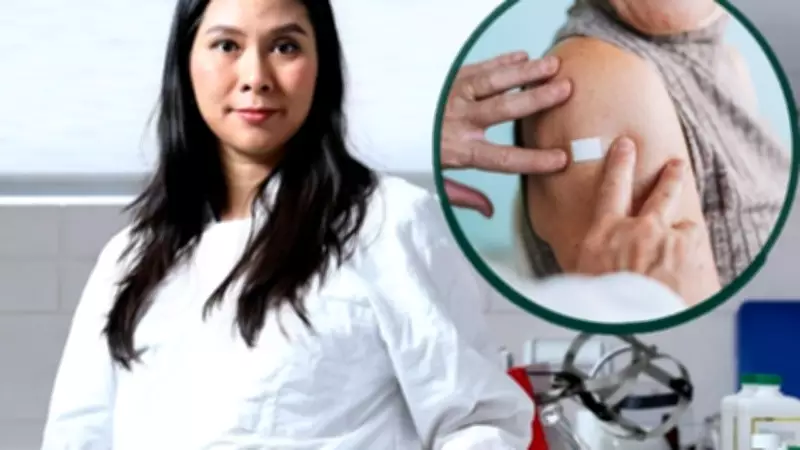
In response, the federal government has expanded its immunisation program to include the RSV vaccine for all Australians aged 60 and over. The vaccine, previously available only to those at high risk, is now free under the National Immunisation Program. It is administered as a single dose and is recommended even for those who have had RSV before.
“This is a critical step in protecting our older population,” said Health Minister Mark Butler. “The vaccine is safe and effective, and I encourage all eligible seniors to get vaccinated as soon as possible.”
Eligibility and Availability
Seniors can receive the vaccine at their GP or participating pharmacies. No prescription is required, but it is advisable to check availability with local providers. The vaccine is also recommended for those with chronic health conditions, such as heart or lung disease, and those living in residential aged care facilities.
Preventive Measures and Public Advice
Beyond vaccination, health experts emphasise the importance of basic hygiene measures to reduce transmission. These include:
- Frequent handwashing with soap and water or using alcohol-based hand sanitiser
- Avoiding close contact with people who are sick
- Covering coughs and sneezes with a tissue or elbow
- Staying home when feeling unwell
- Cleaning frequently touched surfaces regularly
Dr. Chen added, “While the vaccine is a powerful tool, it is not 100% effective. Combining vaccination with good hygiene practices offers the best protection.”
Impact on the Healthcare System
Hospitals are bracing for a potential influx of RSV cases, which could coincide with the winter flu season. Emergency departments in some regions are already reporting increased presentations of respiratory illnesses. The Australian Medical Association has called for additional resources to manage the anticipated surge.
“We need to ensure that our hospitals have the capacity to handle a triple threat of RSV, influenza, and COVID-19,” said AMA President Dr. Omar Khorshid. “Vaccination is our best defence, but we also need adequate staffing and beds.”
Looking Ahead
The government is monitoring the situation closely and may extend the vaccination program to other age groups if necessary. Public health campaigns are being ramped up to raise awareness about RSV and the availability of the free vaccine.
For now, seniors are urged to take advantage of the free vaccine to protect themselves and reduce the burden on the healthcare system. As Dr. Chen concluded, “The best time to get vaccinated is now, before the virus spreads further in the community.”