Two pilots have made a selfless sacrifice to join a group of Australians in quarantine after evacuating the passengers from the hantavirus outbreak. The group arrived at the RAAF Base Pearce on a flight from Europe via the Middle East on Friday morning before being transported to a quarantine facility in Bullsbrook, Perth.
Health Status of Evacuees
All five Australians who were on board the MV Hondius, where the disease is believed to have spread amongst passengers, are in good health and showing no signs of symptoms. The six passengers, two crew members and one doctor onboard their return flight have undergone numerous tests, which have been sent to Melbourne for analysis.
Pilots' Voluntary Quarantine
While the crew will be free to leave if their tests come back negative, the two pilots of the flight that returned them home have chosen to isolate at the facility for two weeks regardless of the results. Upon arrival, the group received health screenings and had their passports stamped before being given a police escort to the quarantine facility just a 10-minute drive away.

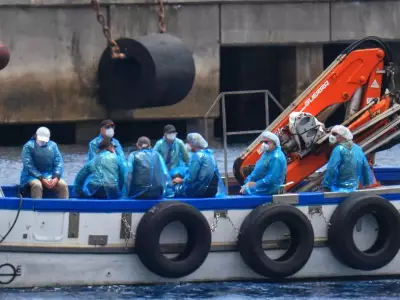
Two pilots have voluntarily entered quarantine for hantavirus alongside five Australians they flew back from Europe. The group waved to media as they arrived, dressed in full PPE.
Quarantine Conditions
The five Australians will be forced to isolate for at least three weeks, each confined to their own unit equipped with Wi-Fi, a TV and a balcony. They will be looked after by eight crew members from the National Crisis Care and Trauma Response Centre, who have been flown in from Darwin to run day-to-day operations at the facility over the coming weeks.
Understanding Hantavirus
Hantaviruses are a group of viruses carried by rodents that can cause severe and often deadly disease in humans. People are usually infected through contact with infected rodents or their urine, droppings or saliva. Health officials are preparing to quarantine four Australian citizens, a permanent resident and a New Zealand citizen.
Andes Virus and Transmission
Andes virus, found in South America and the strain found on the MV Hondius, can have limited human-to-human transmission, according to the World Health Organisation. This type of hantavirus can cause hantavirus cardiopulmonary syndrome (HCPS), a severe respiratory illness, with a case fatality rate up to 50 per cent.
Alarmingly, initial symptoms may seem like normal flu-like symptoms, however, can rapidly deteriorate to severe respiratory failure and even cardiac shock. Symptoms can also take between one to six weeks to present post-exposure, and can include fever, dizziness, muscle aches in the thighs, hips and back, fatigue, headache, nausea, vomiting and diarrhea.
In later stages of the virus, infected patients can experience shortness of breath and coughing from fluid accumulating in the lungs. The virus can also cause issues with the heart, including low blood pressure and kidney failure. The virus is a rare and often deadly respiratory disease being treated with the same level of caution as COVID-19 despite expert reassurance.
“If it were readily transmissible through casual contact, we would have seen a pandemic of it already,” said WHO medical epidemiologist Boris Pavlin.