Perth to Launch Australian-First Ear Bank for Genetic Hearing Loss Research
Perth is set to become home to an Australian-first ear bank, designed to advance genetic therapies for preventing, treating, and reversing hereditary hearing loss in both children and adults. From June, the Ear Science Institute Australia will commence construction of the Australasian Hearing Registry and Biobank in Subiaco.
How the Aussie Ear Bank Will Operate
This innovative facility will collect and link health histories, hearing test results, and genetic data from saliva or blood samples donated by individuals experiencing hearing loss or with a family history. Scientists across Western Australia and Australia will utilize the Aussie Ear Bank as a reference library to identify genes for targeted therapies, with the ultimate goal of restoring lost hearing at its source.
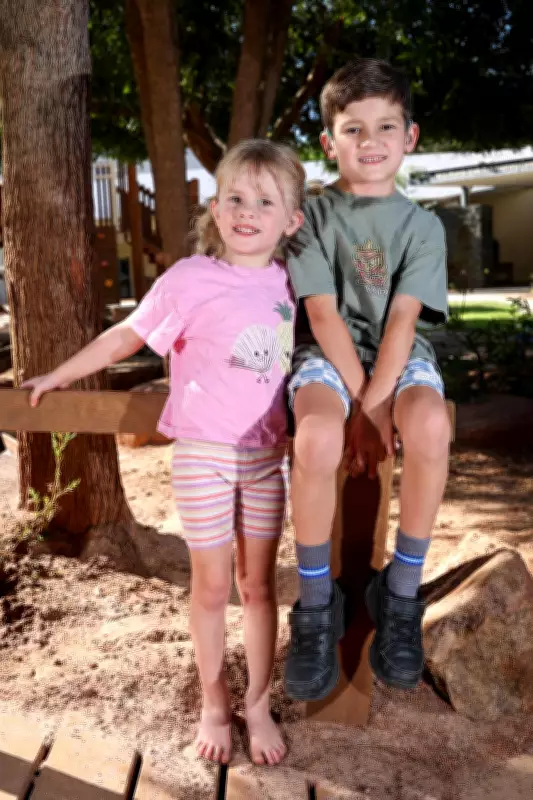
For families like the Pereiras, this research offers hope. Six-year-old Harry and four-year-old Emmi were born with a genetic hearing loss, despite no family history. Their mother, Shannon, an audiologist, expressed optimism that such research could lead to treatments to regrow inner ear hairs, which are crucial for transmitting sound to the brain.

The Urgent Need for Genetic Therapies
Lead researcher Christo Bester highlighted that approximately one in every 1,000 newborns and one in 500 school-aged children have some form of hearing loss, with genetics playing a significant role in about half of these cases. Existing solutions like hearing aids are not always effective for hereditary hearing loss, and current medical practices cannot restore dead nerves, underscoring the urgent need for genetic therapies.
Dr. Bester emphasized that inherited ear disorders are relatively common, with around 100 children born in WA annually with hereditary hearing loss. While hearing aids and cochlear implants provide support, the ideal scenario involves treating patients before degeneration occurs or restoring lost function.
Accelerating Research and Clinical Trials
The Aussie Ear Bank aims to fast-track clinical trials and future treatments by combining its findings with the institute's expertise in therapeutics development. It will also integrate with other national and international bio-registries to enhance research capacity and improve understanding of genetic causes. Dr. Bester noted that developing genetic therapies is complex, requiring detailed knowledge of hearing loss progression, cell types involved, and molecular mechanisms.
Recent global advancements offer promising examples. Over the past year, researchers in the US, UK, and China have reported success in restoring hearing in 20 children with protein-related hearing loss using a new genetic therapy administered during cochlear implant surgery. However, bringing such trials to Australia has been challenging due to limited large-scale genetic hearing loss programs.
Funding and Community Support
Former prime minister John Howard, who has hereditary hearing loss, helped secure $1 million in seed funding for the project. The ESIA's Gift of Hearing Appeal, now in its 25th year, will provide ongoing support, with the institute seeking an additional $3.6 million in State and Federal funds to reach a total of $10 million by 2030.
The Pereira children are among 112 WA children enrolled in a school-aged support program at TSH in Wembley, with 99 more participating in early intervention programs. TSH head of clinical research Kerry Picotti noted that while some hearing loss cases, such as those caused by cytomegalovirus exposure, may fall outside the ear bank's scope, new gene therapies could benefit many children, including those with nerve absences or ear malformations.
Early Intervention and Future Prospects
Ms. Picotti highlighted the importance of newborn screening, which has been in place for about 25 years, enabling early diagnosis and intervention. By six months, children can access hearing aids and support services, fostering communication skills development to match their peers by school age.

The Aussie Ear Bank program plans to register approximately 200 Western Australians annually, scaling up to 500 locally and eventually 1,000 nationally. This initiative represents a significant step forward in addressing hereditary hearing loss through cutting-edge genetic research and community collaboration.