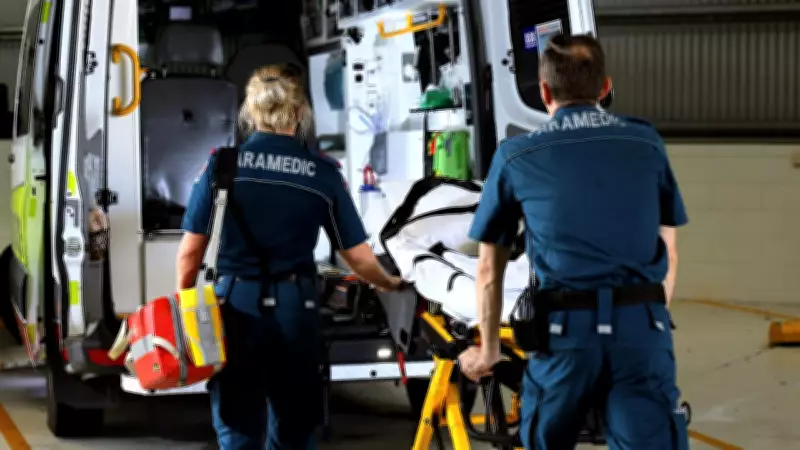
Paramedics to Work Inside Queensland Hospitals in National First
In a groundbreaking move, Queensland is set to become the first state in Australia to deploy paramedics directly inside public hospitals, aiming to tackle the persistent issue of ambulance ramping and enhance patient care. This innovative initiative, announced by the state government, represents a significant shift in healthcare delivery and is expected to have far-reaching impacts on emergency services across the region.
Details of the New Initiative
The program will see paramedics stationed within hospital emergency departments, where they will assist with patient assessment, triage, and initial treatment. By integrating paramedics into the hospital setting, authorities hope to streamline the handover process from ambulances to hospital staff, thereby reducing delays that often lead to ambulance ramping. This approach is designed to free up ambulances more quickly, allowing them to respond to other emergencies in the community.
Key benefits of this initiative include:

- Reduced wait times for patients arriving by ambulance.
- Improved efficiency in emergency departments.
- Enhanced collaboration between paramedics and hospital clinicians.
- Potential to decrease stress on ambulance services during peak periods.
Addressing Ambulance Ramping
Ambulance ramping, where ambulances are forced to wait outside hospitals due to bed shortages or overcrowding, has been a chronic problem in Queensland and other parts of Australia. This new strategy aims to mitigate that by having paramedics on hand to manage patients immediately upon arrival, potentially easing the burden on hospital staff and reducing the time ambulances spend idle. Early estimates suggest that the initiative could cut ramping times by up to 20%, though official figures will be monitored as the program rolls out.
Implementation and Future Plans
The rollout is scheduled to begin in select hospitals across Queensland, with plans to expand to more facilities if successful. Training and protocols are being developed to ensure paramedics can work seamlessly within hospital teams, focusing on skills like advanced life support and patient monitoring. This move is part of a broader healthcare reform effort in Queensland, which includes investments in hospital infrastructure and staffing.
Experts have praised the initiative as a proactive step towards modernizing emergency care. However, some concerns have been raised about the potential for role confusion or increased workloads for paramedics. The government has assured that ongoing evaluations will address any issues, with a focus on patient safety and service quality.
Conclusion
This national first in Queensland marks a pivotal moment in Australian healthcare, showcasing innovative thinking to address systemic challenges. By bringing paramedics into hospitals, the state is not only aiming to reduce ambulance ramping but also to foster a more integrated and responsive emergency care system. As the program unfolds, it will be closely watched by other states and territories, potentially setting a new standard for healthcare delivery nationwide.