The Western Australian government has revealed it is not setting any short-term goals for the number of general practice clinics that sign up to the federal government's revamped bulk billing incentive scheme. This comes as the state's Health Minister pushes for more clinics to adopt the model to ease cost-of-living pressures on patients.
Minister's Stance on Clinic Participation
WA Health Minister Amber-Jade Sanderson stated that while the government is actively encouraging clinics to take part, there are no specific interim targets for clinic registrations. The focus, she explained, is on the ultimate outcome: making it easier for West Australians to see a doctor without facing upfront fees.
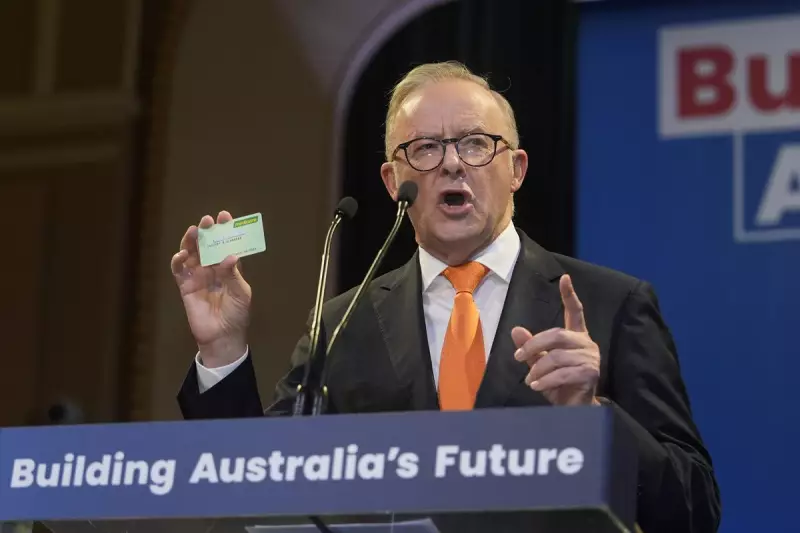
The federal initiative, a key Albanese government election promise, triples the bulk billing incentive for common consultations. This $3.5 billion investment is designed to halt the decline in bulk billing rates across the nation. In Western Australia, the incentive for a standard consultation now jumps from just over $6 to more than $20.

Current Landscape and Federal Criticism
Despite the financial boost, the exact number of clinics in WA that have begun using the higher incentive since its introduction in November 2023 remains undisclosed. Minister Sanderson acknowledged she does not have those figures to hand but emphasised the government's promotional efforts through the Primary Health Networks.
The opposition's health spokesperson, Libby Mettam, criticised the lack of transparency, calling for the government to publicly release data on how many clinics are participating. She argued that without clear metrics, it is difficult to assess whether the significant federal investment is delivering tangible results for patients.
This debate unfolds against a backdrop of acknowledged challenges in the GP sector, including workforce shortages and the rising costs of running a practice, which have contributed to the decreasing bulk billing rates over recent years.
The Path Forward for WA Patients
The government's strategy appears to be one of persuasion and support rather than setting enforced quotas. Minister Sanderson is urging clinics to pass on the benefits of the increased incentive to their patients, particularly pensioners and children.
The success of the policy in WA will ultimately be measured by whether more people can access a GP with no out-of-pocket cost. While the tripling of the incentive is a substantial intervention, its effectiveness hinges on widespread adoption by clinics across the state. All eyes will now be on upcoming quarterly Medicare data to see if the financial injection begins to reverse the long-term trend of declining bulk billing.