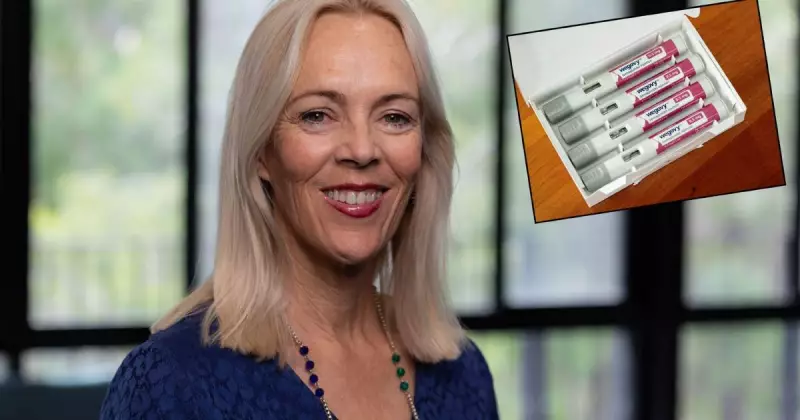
New data reveals a stark health challenge in the Hunter New England region, with record numbers of adults now classified as overweight or obese. However, emerging medical treatments and straightforward dietary advice are providing a dual pathway for change in 2026.
Record Obesity Rates Meet Pharmaceutical Hope
The latest figures show a concerning trend: 61 per cent of people in the Hunter district were overweight or obese in 2024, marking a record high. This statistic underscores a growing public health issue in the region.
In response, there is significant hope pinned on a new class of GLP-1 agonist medications, including drugs like Mounjaro, Wegovy, and Ozempic. Experts believe these treatments could help reverse the rising obesity rate.

Professor Clare Collins, a leading nutrition expert from the University of Newcastle, emphasises the medical nature of obesity. "These medications are great because obesity is a chronic relapsing condition," she states. She compares societal criticism of people with obesity to unfairly judging someone with cancer, predicting that "in time attitudes will change."
The Cost and Accessibility of Weight-Loss Medications
Research from UNSW indicates that by 2024/25, at least half a million Australians were using weight-loss medications each month, with nearly half paying for them privately. The current cost presents a major barrier for many.
While Ozempic is listed on the Pharmaceutical Benefits Scheme (PBS) for type-2 diabetes, it is not subsidised for weight loss. Mounjaro was approved for GP prescriptions for obesity last year, but Professor Collins notes the high price tag of $300 to $600 per month, depending on dosage.
Wegovy, which contains the same active ingredient as Ozempic but is prescribed specifically for obesity, costs between $250 and $370 monthly. Professor Collins offers a hopeful prediction for the future: "These drugs will come down in price over time." This outlook was bolstered in November when the Pharmaceutical Benefits Advisory Committee recommended listing Wegovy on the PBS for adults with both obesity and established cardiovascular disease.
It's important to note that while some maintain weight loss after stopping the drugs, clinical data shows they are in the minority. For many, Professor Collins explains, staying on the medication for life may be necessary. Interestingly, these drugs have also been associated with positive side effects, including reductions in alcohol consumption, smoking, and gambling.
Dietary Shortfalls and Simple Solutions for 2026
Alongside pharmaceutical interventions, basic dietary habits remain a critical concern. The data reveals only 37 per cent of Hunter New England adults met the daily fruit recommendation of two or more serves in 2024. The figure for vegetables is even more alarming, with a mere 5 per cent eating the advised five daily serves.
Ahead of New Year's resolutions, Professor Collins provides practical, affordable advice for improving nutrition. She suggests starting with the season. "Summer is the easiest time because everyone wants to eat salad. And mangoes and all the stone fruit are in season," she says.
Her key strategies include:
- Increasing variety: Add one new type of fruit or vegetable to your shop each week. "When you have more variety of fruit and veg, you eat more of it."
- Embracing all forms: Frozen or canned produce are good options, but choose products with low salt and sugar.
- Cooking at home: Swap a weekly food delivery for a homemade stir-fry. Collins notes the shocking amount young people spend on delivered meals.
- Eating the rainbow: Aim for 30 different plant foods each week (including spices, coffee, and tea).
- Filling the trolley: "Don't leave the fruit and veggie aisle until you cannot see the bottom of your trolley."
For further guidance, Professor Collins recommends the University of Newcastle's No Money No Time website, which offers budget-friendly recipes and a healthy eating quiz.

The path forward for the Hunter region involves a combination of advanced medical solutions for a chronic condition and a return to fundamental, varied, and colourful eating habits. With expert predictions of falling drug prices and accessible dietary advice, 2026 could mark a turning point in the region's health landscape.