The head of Cairns Hospital has declared a new, multi-million dollar helipad as an essential piece of infrastructure that will be critical to saving the lives of medevac patients across Far North Queensland.
Helipad Upgrade to Slash Critical Transfer Times
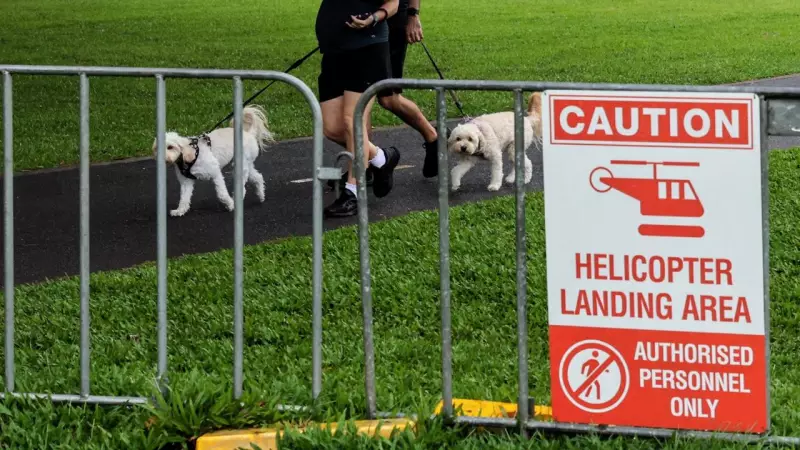
Cairns and Hinterland Hospital and Health Service chief executive Leena Singh confirmed the facility is on track for completion by the end of the year. The new structure, costing approximately $3.5 million, will replace the current ground-level helipad located near the hospital's emergency department.
Ms Singh explained that the current setup requires a complex and time-sensitive process. When a retrieval helicopter lands, critically ill patients must be carefully unloaded, wheeled across the tarmac, and then transported via a service lift up to the emergency department. This process can take up to 15 minutes for the most urgent cases, a significant delay when every second counts.

The new helipad, constructed one level above the ground, will be directly connected to the hospital's critical care areas. This design will allow medical teams to wheel patients straight from the aircraft into the resuscitation zone of the emergency department or directly to the operating theatres within a matter of moments.
A Vital Hub for the Region's Aeromedical Network
Cairns Hospital serves as the major tertiary referral centre for the vast Far North Queensland region, stretching from Cardwell in the south up to the Torres Strait. It relies heavily on aeromedical services to retrieve seriously ill and injured patients from remote communities and smaller hospitals.
"This is a significant piece of infrastructure for the Far North," Ms Singh stated. She emphasised that the upgrade is not just about convenience but about improving clinical outcomes and survival rates. Faster transfers mean patients receive definitive care sooner, which is crucial for conditions like severe trauma, strokes, and heart attacks.
The project has been funded by the Queensland Government as part of its ongoing commitment to health infrastructure in the region. Health authorities have worked closely with aviation experts to ensure the new helipad meets all necessary safety and operational standards for the various aircraft used by retrieval services.
Future-Proofing Emergency Care for Cairns
The completion of the helipad is seen as a key step in future-proofing the hospital's emergency and trauma capabilities. With the region's population growing and climate events sometimes isolating communities, the reliability and efficiency of aeromedical retrievals are more important than ever.
Ms Singh said the hospital team was eagerly anticipating the operational benefits the new facility will bring. She noted that it represents a major investment in state-of-the-art emergency medical care for all residents and visitors in the north.
The construction is being carefully staged to minimise disruption to the hospital's daily operations and its vital aeromedical services, which continue uninterrupted using the existing helipad during the build.