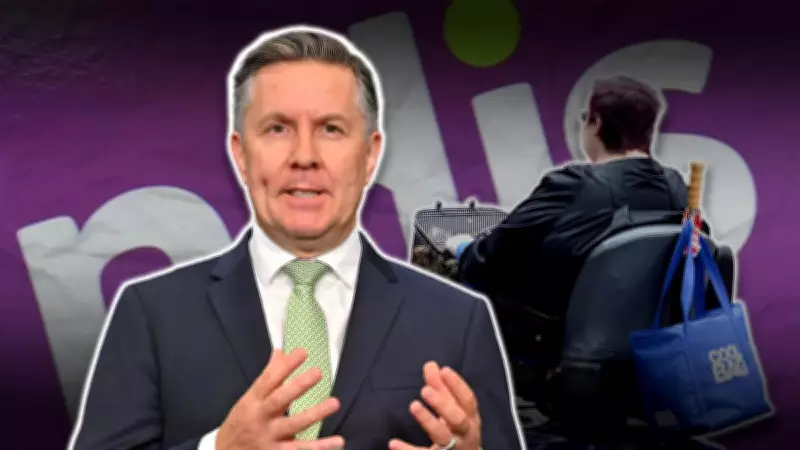
NDIS Faces Major Overhaul as Government Moves to Curb Unsustainable Costs
Health Minister Mark Butler has flagged a complete overhaul of the National Disability Insurance Scheme, warning that the $50 billion system cannot afford to be undermined by unsustainable growth in costs. At the National Press Club on Wednesday, Butler outlined sweeping reforms aimed at ensuring the scheme's long-term viability, including changes to eligibility for support and tougher registration requirements for providers.
Cost Containment and Growth Limits
Butler announced a commitment to limit the NDIS's annual growth to 2 per cent over the next four years, a significant reduction from the current rate of 10 per cent. This move is projected to save taxpayers billions, with spending expected to drop from over $70 billion in 2030 to around $55 billion. After 2030, growth will expand to 5 per cent annually, balancing sustainability with continued support for those in need.
"Instead of costing more than $70bn in 2030, taxpayers will spend around $55bn," Butler stated, emphasising the need for fiscal responsibility while maintaining the scheme's core mission.

Stricter Provider Registration and Risk Management
A key component of the reforms involves tightening registration requirements for NDIS providers. Butler highlighted that current standards are insufficient, noting that "(You need) more ID to get into a licensed club than to be an NDIS provider." To address this, the government will expand mandatory registration categories to cover higher-risk activities, such as personal care, daily living supports, and services provided in closed settings.
However, registration will not be mandatory for all providers. Butler explained, "Not every provider needs to be fully registered. We don't need to monitor retail purchases from a chemist the same way we monitor close personal care of vulnerable people." This targeted approach aims to improve oversight without overburdening low-risk sectors.
Broader Health Policy Changes and Intergenerational Equity
In related health policy adjustments, the federal government will cut subsidised health cover for older Australians, returning rebates to the same level as other age groups. Butler argued that the current system is unfair, as "two households on the same income receive different levels of government support based only on their age." The savings from this change will be redirected into aged care funding.
"This won't be a welcome decision for many, but it is the right thing to do to re-establish intergenerational equity in the rebate system," Butler said, acknowledging the potential backlash while stressing the need for efficient use of taxpayer dollars.
Political and Community Reactions
Prime Minister Anthony Albanese underscored the importance of making the NDIS sustainable, stating, "What's important is that it be made sustainable, because it's too important to be undermined in terms of confidence in the scheme." He reaffirmed the government's commitment to supporting Australians with serious disabilities to fully participate in society.
However, concerns have been raised by advocacy groups and political figures. Greens disability spokesman Jordon Steele-John expressed worry that reforms might not benefit recipients, saying, "Disabled people and their families are sick of being used as political footballs." Similarly, People With Disability Australia president Jeramy Hope called for a focus on reducing bureaucracy rather than cutting eligibility, noting, "Our community is scared and we want a surety that things are going to be OK."
Implementation and Future Directions
Changes announced earlier include moving some children with autism off the NDIS and into a separate program called Thriving Kids, which will roll out from October and be fully implemented by January 2028. Additionally, state and territory officials have been briefed, with Queensland Premier David Crisafulli indicating pushback against federal calls for jurisdictions to take on more financial responsibility.

Martin Laverty, an architect of the NDIS, supported the reset, explaining that the scheme was originally designed for those with the most significant disabilities but became overwhelmed as other programs ceased. "Now it's the chance to reset and to establish evidence-based programs for people with mild to moderate disability outside of the NDIS itself," he said.
These reforms represent a pivotal moment for the NDIS, balancing cost control with the imperative to provide essential support to vulnerable Australians.