Shell Executive Condemns Proposed Windfall Tax on Gas Exports as 'Spectacularly Ill-Advised'
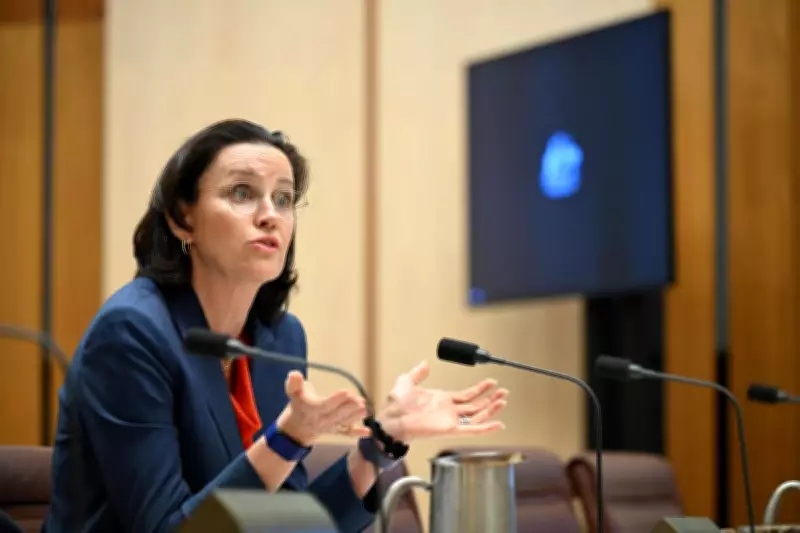
A senior executive from Shell has delivered a sharp rebuke against a proposed windfall tax on exported gas, labeling the idea as 'spectacularly ill-advised' during a Senate hearing that was chaired by the Greens party. This testimony has ignited a heated debate over Australia's energy policy and its economic implications.
Senate Hearing Sparks Intense Energy Policy Debate
The hearing, which focused on the nation's energy sector and its future direction, saw the Shell representative argue that such a tax could have severe negative consequences. They emphasized that imposing additional levies on gas exports might undermine investment in the industry, potentially leading to reduced production and higher prices for consumers.
Furthermore, the executive highlighted that the global energy market is highly competitive, and Australia's position as a major gas exporter could be jeopardized by such fiscal measures. They warned that this could result in job losses and economic instability, particularly in regions reliant on the gas industry for employment and revenue.

Greens-Led Inquiry Pushes for Tax on Fossil Fuel Profits
The Greens party, which chaired the Senate hearing, has been advocating for a windfall tax on fossil fuel companies, arguing that these firms have reaped excessive profits while contributing to climate change. They propose using the revenue from such a tax to fund renewable energy projects and support communities affected by environmental issues.
In response, the Shell executive countered that the gas industry is already subject to significant taxes and regulations, and that a windfall tax would be counterproductive. They pointed to existing contributions to the economy through royalties and corporate taxes, suggesting that additional burdens could stifle innovation and growth in the sector.
Broader Implications for Australia's Energy Strategy
This clash at the Senate hearing underscores the broader tensions in Australia's energy policy, balancing economic interests with environmental concerns. The debate comes at a critical time as the country navigates its transition to cleaner energy sources while maintaining its role as a key player in the global gas market.
Key stakeholders, including other energy companies, government officials, and environmental groups, are closely watching the outcome of this discussion. The proposed windfall tax could set a precedent for future policy decisions, influencing how Australia manages its natural resources and addresses climate change.
As the Senate inquiry continues, it is expected to delve deeper into the potential impacts of such a tax, with further testimonies and analyses likely to shape the national conversation on energy and taxation.